
Cryptid Files
Unlocking The Loch Ness Monster Mystery: Your Ultimate Guide
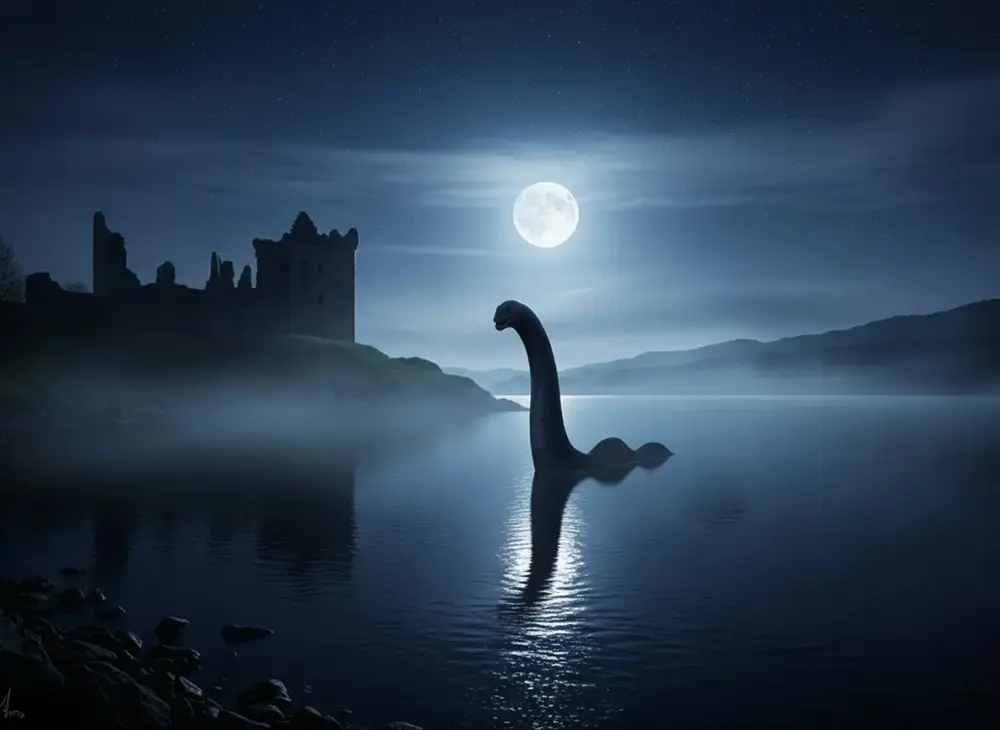
The Loch Ness Monster is an enduring aquatic enigma, a cornerstone of cryptozoology rooted deep within the folklore of the Scottish Highlands. For centuries, tales of a large, unknown creature have emanated from the dark, peaty waters of Loch Ness, captivating the imagination of explorers and enthusiasts, a community proudly served by iheartcryptids.com.
This guide is your definitive resource, designed to navigate the murky depths of this fascinating legend. We will explore every sighting, dissect the scientific evidence, and provide you with the tools to begin your own investigation into this captivating mystery. Prepare to journey into the world of Nessie, the world’s most famous lake monster.
Before we embark on this deep dive, if you’re just looking for a quick overview of the key facts and famous sightings, you can start with our brief summary of the Loch Ness Monster legend.
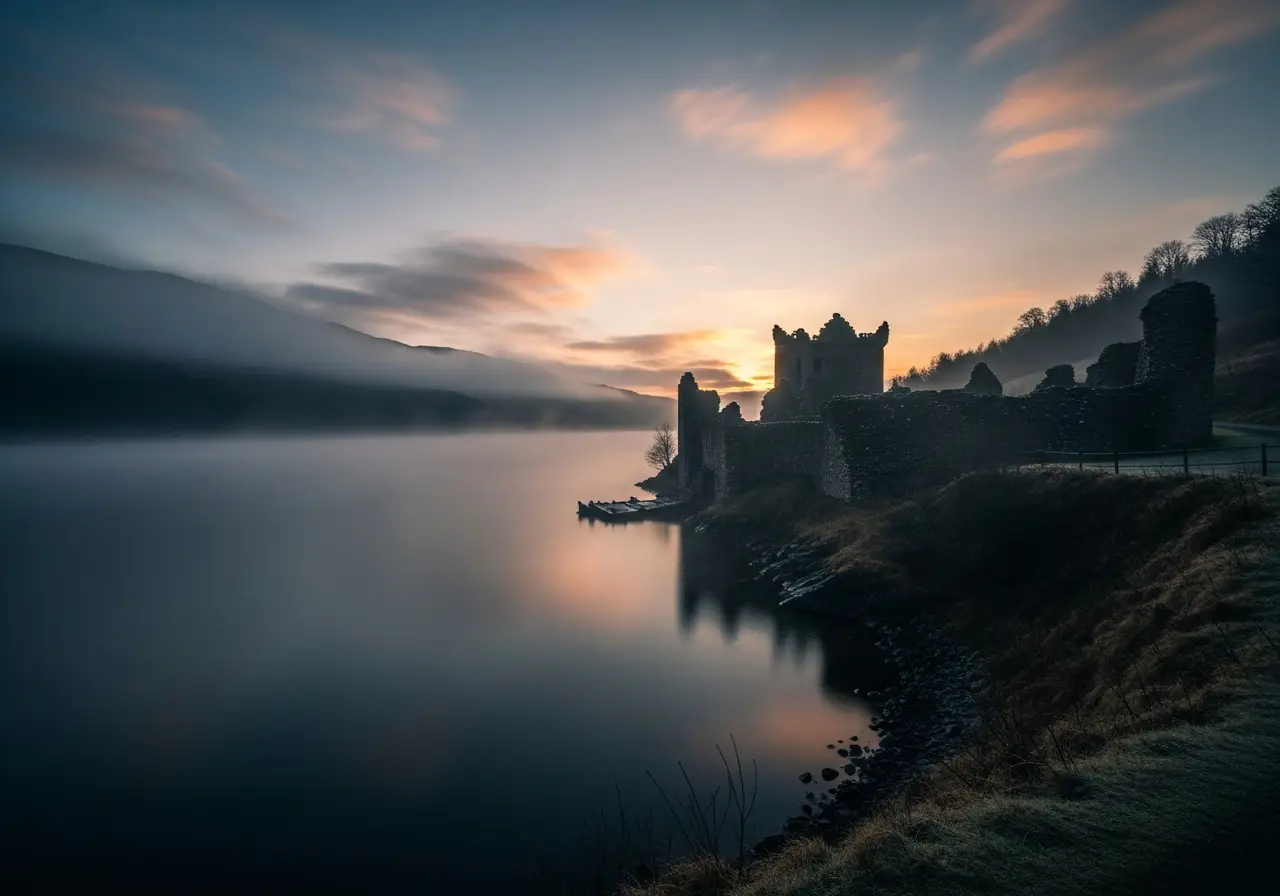
The Genesis of a Global Enigma: From Ancient Saint to Modern Icon
The legend of the Loch Ness Monster is not a modern invention. It is a story steeped in centuries of history, a narrative thread woven through the cultural tapestry of the Scottish Highlands. Its journey from a fearsome “water beast” in a medieval text to the affectionate, globally recognized cryptid known as Nessie is a remarkable tale of folklore, media, and the persistent human fascination with the unknown. To truly unlock the mystery, one must first understand its origins, tracing the story back nearly 1,500 years to a dramatic encounter on the banks of the River Ness. This historical context provides the legend with a depth and resilience that sets it apart from other modern myths. It suggests that something in these waters, whether real or imagined, has been stirring the human psyche for millennia. The transformation of this entity in popular culture reflects our own changing relationship with nature and mystery. What was once a symbol of the untamed and dangerous wilderness has become an object of curiosity, scientific inquiry, and even affection. This evolution is key to understanding why the creature of Loch Ness continues to hold such a powerful grip on our collective imagination, transcending a simple monster story to become a cultural touchstone and a symbol of enduring mystery in an age of scientific certainty. The narrative is not just about a potential undiscovered species; it’s about the power of place, the persistence of legend, and our innate desire to believe that the world still holds profound secrets.
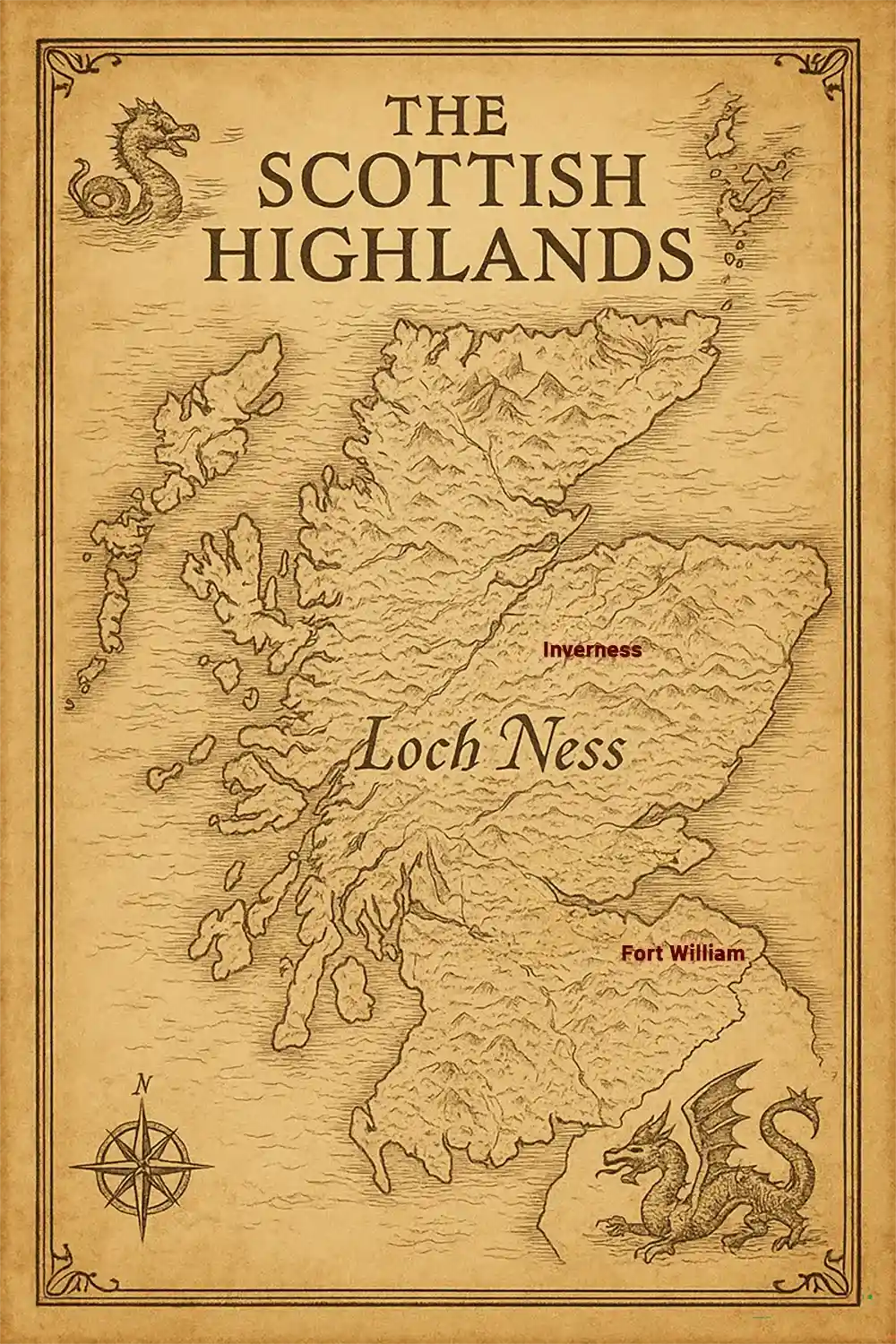
The Saint and the Serpent: The First Recorded Encounter
The very first written account of a creature in the vicinity of Loch Ness appears in a 7th-century hagiography, the Life of St. Columba, penned by the abbot Adomnán of Iona. This seminal text documents an event purported to have occurred in 565 AD. According to Adomnán’s manuscript, the Irish monk St. Columba was traveling in the land of the Picts, a tribal confederation in ancient Scotland. Near the River Ness, which flows out of the loch, he encountered a group of locals burying a man. They recounted a terrifying tale: the man had been attacked and savagely killed by a “bestia aquatilis,” a water beast, while swimming. Instead of showing fear, St. Columba saw an opportunity to demonstrate the power of his faith. He instructed one of his followers, Lugneus Mocumin, to swim across the river to fetch a boat. As Lugneus entered the water, the beast surfaced again, roaring and charging with its mouth agape. From the shore, St. Columba made the sign of the cross and commanded the creature in a loud voice, “Go no further. Do not touch the man. Go back at once.” The account claims the beast immediately halted as if “pulled back by ropes” and fled into the depths. While this is a dramatic and foundational story, historians urge a contextual understanding. “Such miracle narratives were a common and important genre in early Christian writing,” a historian like Dr. Eleanor Vance from a leading university might state. “The ‘beast’ often served as a metaphor for paganism or the untamed forces of nature. Columba’s taming of it symbolized the triumph of Christianity over the old ways. It was less a zoological report and more a powerful theological statement.” This foundational legend, regardless of its literal interpretation, forever linked the dark waters of Loch Ness with a mysterious and formidable inhabitant.

Visit our Loch Ness Monster product category now!
The 1930s Media Frenzy: How a Road and a Report Created a Superstar
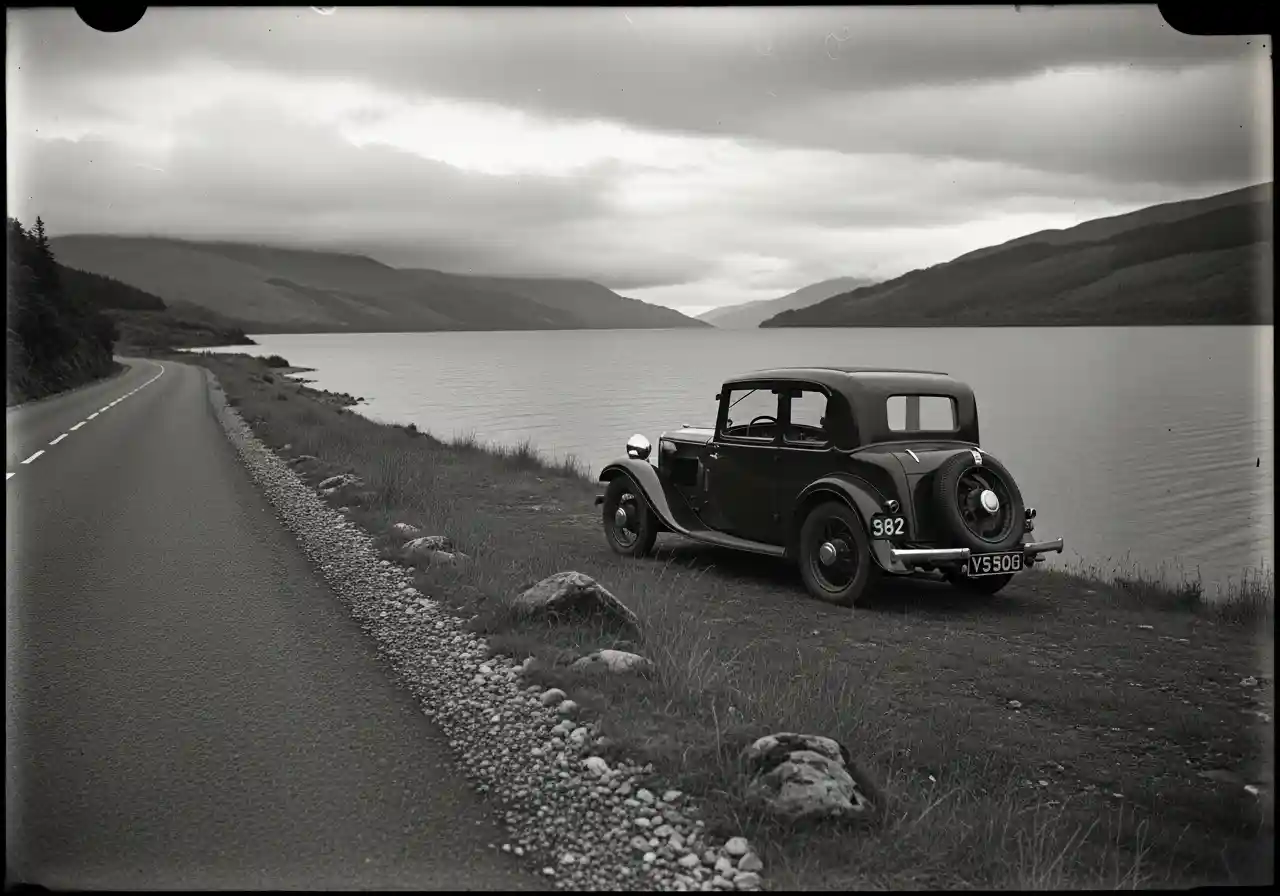
For over thirteen centuries, the story of the water beast remained a quiet piece of local Highland folklore. It was a tale told by the fireside, a whisper among those who lived by the vast, deep loch. This all changed dramatically in 1933, a pivotal year that launched the legend onto the international stage. The catalyst was a piece of modern infrastructure: a new shore-side road, the A82. Completed that year, it ran along the entire northern edge of Loch Ness, providing the first-ever clear and prolonged views of the water’s surface for motorists. Suddenly, the loch was more visible to more people than ever before. On May 2, 1933, the Inverness Courier published an article by its correspondent, Alex Campbell, who also served as a water bailiff on the loch. He reported on a recent sighting by a local couple, hotel owner Aldie Mackay and her husband, who claimed to have seen an “enormous animal rolling and plunging on the surface.” In his report, Campbell deliberately used the electrifying word “monster.” The story was a sensation. It was quickly picked up by the national press in London, and the news went viral in the way only 1930s mass media could. The world was captivated. A “monster mania” swept through Britain and beyond, transforming a local legend into a global phenomenon. Sightings began to pour in, including a famous account in July 1933 by George Spicer and his wife, who claimed to have seen an “extraordinary form of animal” with a long neck cross the road in front of their car. This confluence of a new road, a compelling eyewitness account, and sensational media coverage created the perfect storm, ensuring that the creature of Loch Ness, now affectionately nicknamed Nessie, would become the most famous cryptid in the world.
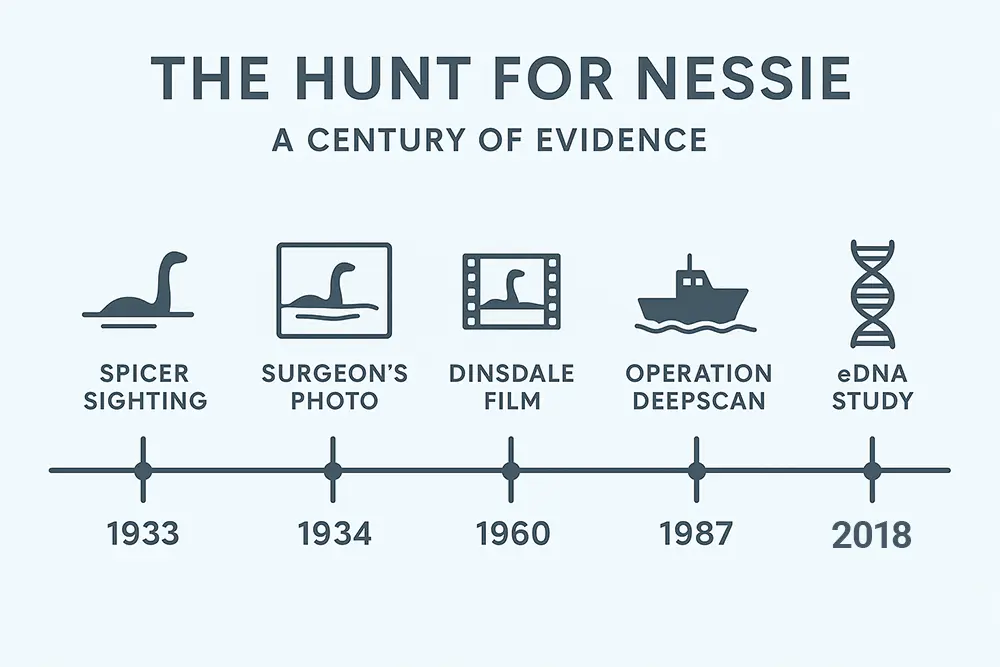
A Century of Evidence: Analyzing the Key Clues in the Nessie Case
The explosion of interest in the 1930s transformed the Loch Ness Monster from a piece of folklore into a subject of active investigation. This new era was defined by a quest for tangible proof: a photograph, a piece of film, a definitive reading from a scientific instrument. This pursuit has produced some of the most iconic and hotly debated pieces of evidence in the annals of cryptozoology. Each artifact in the Nessie case file tells a story, not just about a potential creature, but about the technology of the time, the psychology of the observer, and the fine line between evidence and belief. Analyzing these clues is a journey through the history of photography, filmmaking, and underwater acoustics. It is a critical examination of images that have shaped our perception of lake monsters and data that has tantalized researchers for decades. As we at IHeartCryptids believe, a thorough investigator must consider all evidence with an open yet skeptical mind. This section will meticulously dissect the most significant pieces of purported evidence, exploring the context of their creation, the arguments for their authenticity, and the scientific scrutiny that has been applied to them. It’s a deep dive into the moments that have kept the legend not just alive, but thriving, fueling the debate and inspiring new generations of monster hunters to keep watching the water. From the world’s most famous photograph to pioneering sonar sweeps, this is the core of the Nessie file.
The Surgeon’s Photograph: An Icon Forged and Broken
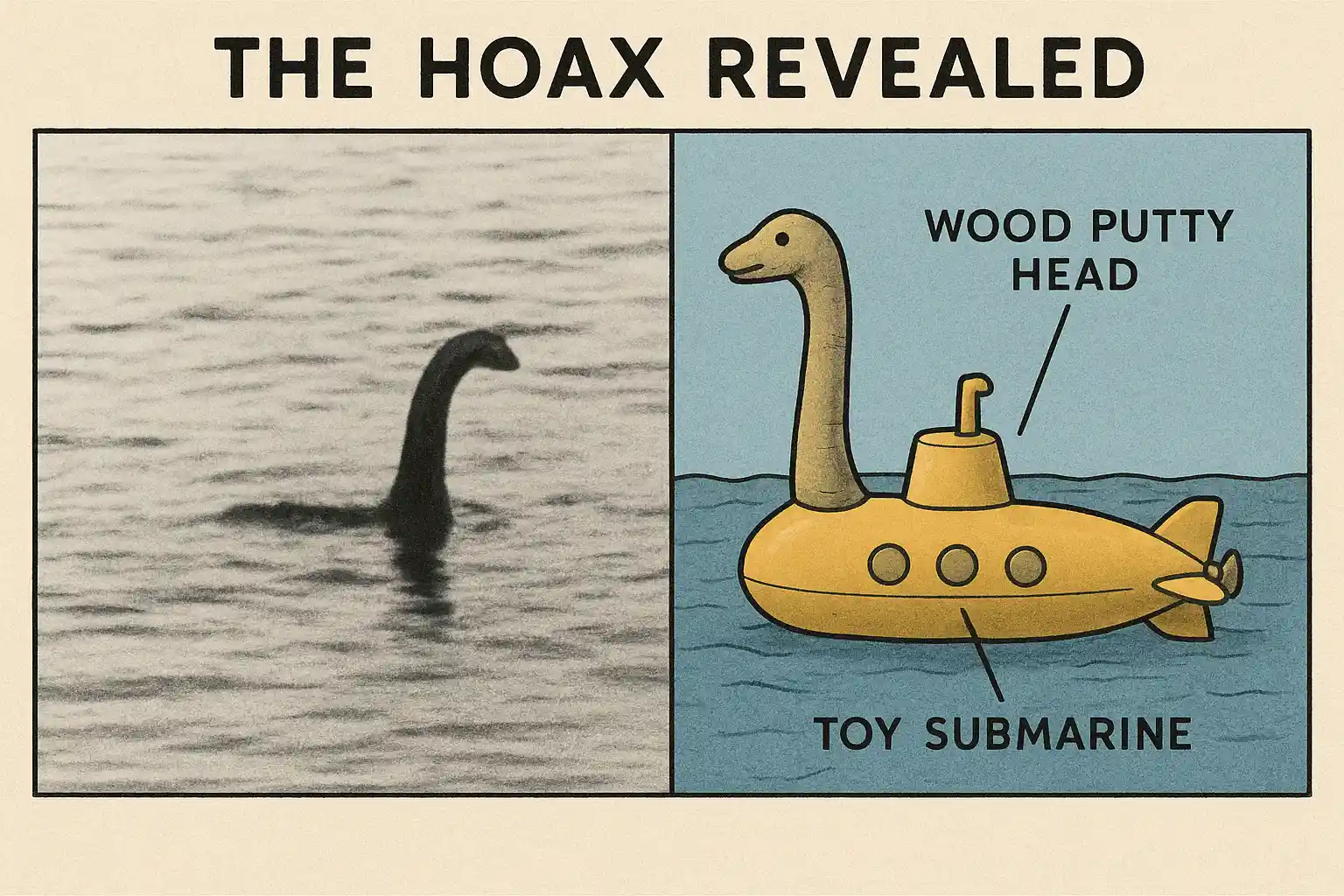
No single piece of evidence is more synonymous with the Loch Ness Monster than the “Surgeon’s Photograph.” Published by the Daily Mail on April 21, 1934, the image is stark, mysterious, and deeply compelling. It depicts the elegant, serpentine neck and small head of a creature rising from the calm, dark waters of the loch. Its power lay in its source: the photograph was attributed to Colonel Robert Kenneth Wilson, a highly respected London gynecologist, who claimed to have taken it by chance while observing the loch. His sterling reputation lent the image an immediate and powerful air of credibility that other, more dubious photos lacked. For six decades, this photograph was the cornerstone of the case for Nessie. It was reproduced in countless books, documentaries, and articles, becoming the definitive, archetypal image of a plesiosaur-like lake monster. However, the truth behind the iconic picture was a tale of revenge and elaborate deception. The trail began with Marmaduke Wetherell, a big-game hunter hired by the Daily Mail in 1933 to find the monster. After he was publicly ridiculed for identifying hippo tracks as monster prints, a disgraced Wetherell plotted his revenge. In 1994, an elderly Christian Spurling, Wetherell’s stepson, confessed the entire scheme. On his deathbed, he revealed that he had built the “monster” by attaching a sculpted head and neck made of wood putty to a toy submarine. He, Wetherell, and Wetherell’s son Ian then photographed their model in a quiet bay of the loch and used the respectable Dr. Wilson as a trustworthy frontman to sell the photo. The confession, corroborated by other evidence and detailed in books like Nessie – The Surgeon’s Photograph Exposed, definitively solved the puzzle. “The confession fits all the available facts and provides a complete explanation for the photo’s creation,” a researcher like Alastair Boyd might conclude. “While it was a blow to believers, debunking a hoax is a crucial part of the scientific process. It clears the board, allowing us to focus on more credible evidence.”
The Dinsdale Film: A Moving Anomaly
While the Surgeon’s Photograph was ultimately a hoax, another piece of visual evidence has proven far more resilient to debunking: the Dinsdale film. On April 23, 1960, Tim Dinsdale, an aeronautical engineer and dedicated monster hunter, was on the final day of a solo expedition to Loch Ness. Frustrated by a lack of success, he decided to visit a different vantage point near the village of Foyers. From his high position, he spotted a dark object moving across the water’s surface, leaving a significant V-shaped wake behind it. He quickly grabbed his 16mm Bolex film camera and captured 40 feet of film showing the object as it moved parallel to the opposite shore before changing direction and submerging. What makes the Dinsdale film so compelling is its analysis by photographic experts. The film was handed over to the Royal Air Force’s Joint Air Reconnaissance Intelligence Centre (JARIC) for professional evaluation. Their detailed report, a landmark document in the study of this mystery, concluded that the object was “probably an animate object” and measured its speed at around 10 mph (16 km/h). Crucially, the JARIC analysts determined the object was not a surface boat or a submarine. Skeptics have since argued that the object could have been a fishing boat, perhaps a dark-colored vessel, and that its distance and the film’s quality make a definitive identification impossible. However, proponents, including Dinsdale himself until his death, maintained that the object’s movement and the powerful wake it created were inconsistent with a man-made vessel. Unlike the static and ultimately fraudulent Surgeon’s Photograph, the Dinsdale film presents a dynamic and enduring puzzle that has never been fully explained away, remaining a key piece of evidence for those who believe something large and unknown navigates the deep waters of the loch.
Tim Dinsdale Loch Ness Monster Film 1960
Probing the Depths: Sonar Contacts and Operation Deepscan
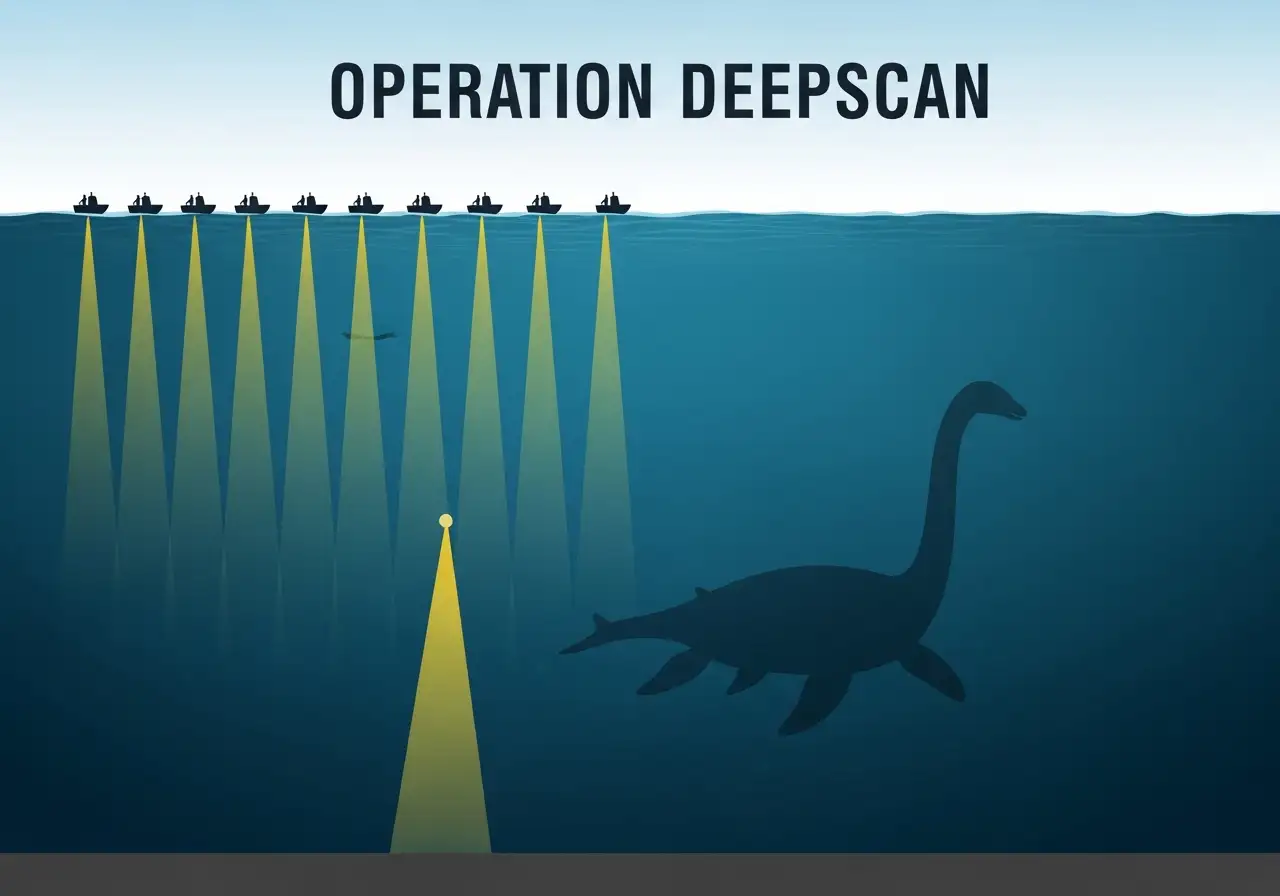
As technology advanced, the search for Nessie moved from the surface to the unseen depths. Sonar (Sound Navigation and Ranging), a technology perfected in wartime, offered a new way to “see” underwater. Throughout the 1960s and 70s, numerous sonar expeditions made tantalizing, if inconclusive, contacts. However, the most ambitious and large-scale sonar investigation of Loch Ness was Operation Deepscan in October 1987. Led by Adrian Shine of the Loch Ness Project, this million-pound endeavor brought together a flotilla of 24 boats, each equipped with powerful sonar equipment. For two days, this fleet moved in a carefully choreographed, unbroken line—a “sonar curtain”—sweeping the entire length of the loch. The goal was to detect any significant moving object in the water column. The operation yielded three significant sonar contacts that could not be immediately explained. The most compelling of these was recorded by a vessel named the New Atlantis. Its sonar picked up a large, strong echo at a depth of nearly 600 feet (180 meters). Darrell Lowrance, the president of the company that supplied the equipment, described the target as being “significantly larger than a fish, but smaller than a whale.” Adrian Shine, a pragmatist and scientist, was cautious in his public statements, emphasizing that sonar can be tricked by thermoclines, debris, or even seals. Yet, he admitted the contacts were “unusual” and warranted further investigation. “We have something here which is unexplained, and it is a large, moving object,” he told the press at the time. Skeptics point out that these contacts were fleeting and were not picked up by multiple boats simultaneously, which would have provided stronger confirmation. Nevertheless, Operation Deepscan remains a landmark effort, proving that the loch was not empty and that its dark, peaty depths held targets that behaved in ways that were, and still are, difficult to explain.
The Scientific Verdict: Deconstructing the Monster
While eyewitness accounts and ambiguous data fuel the legend, the mystery of the Loch Ness Monster must ultimately be reconciled with the principles of science. For any large, unknown animal to exist in the loch, it must be a biological entity, subject to the laws of ecology, physics, and genetics. This requirement has led to decades of rigorous scientific debate and research aimed at answering a simple question: What could Nessie realistically be? This scientific approach shifts the investigation from collecting anecdotes to testing hypotheses. It involves examining the loch’s ecosystem to determine if it could support a population of large predators, analyzing the biological requirements of proposed candidates, and exploring mundane explanations for extraordinary claims. At IHeartCryptids, we embrace this scientific rigor as an essential part of the cryptozoological process. A true exploration of the mystery requires not just an open mind, but a critical one. This section will delve into the leading scientific theories and explanations for the Nessie phenomenon. We will assess the famous plesiosaur theory from a biological standpoint, explore a compelling modern hypothesis based on cutting-edge DNA analysis, and systematically review the range of natural phenomena that could mislead even the most sincere observers. This is a journey into the science behind the legend, where possibility is weighed against probability, and where the application of the scientific method brings us closer to understanding what truly lies beneath the dark waters of Loch Ness.

The Prehistoric Survivor: Debunking the Plesiosaur Theory
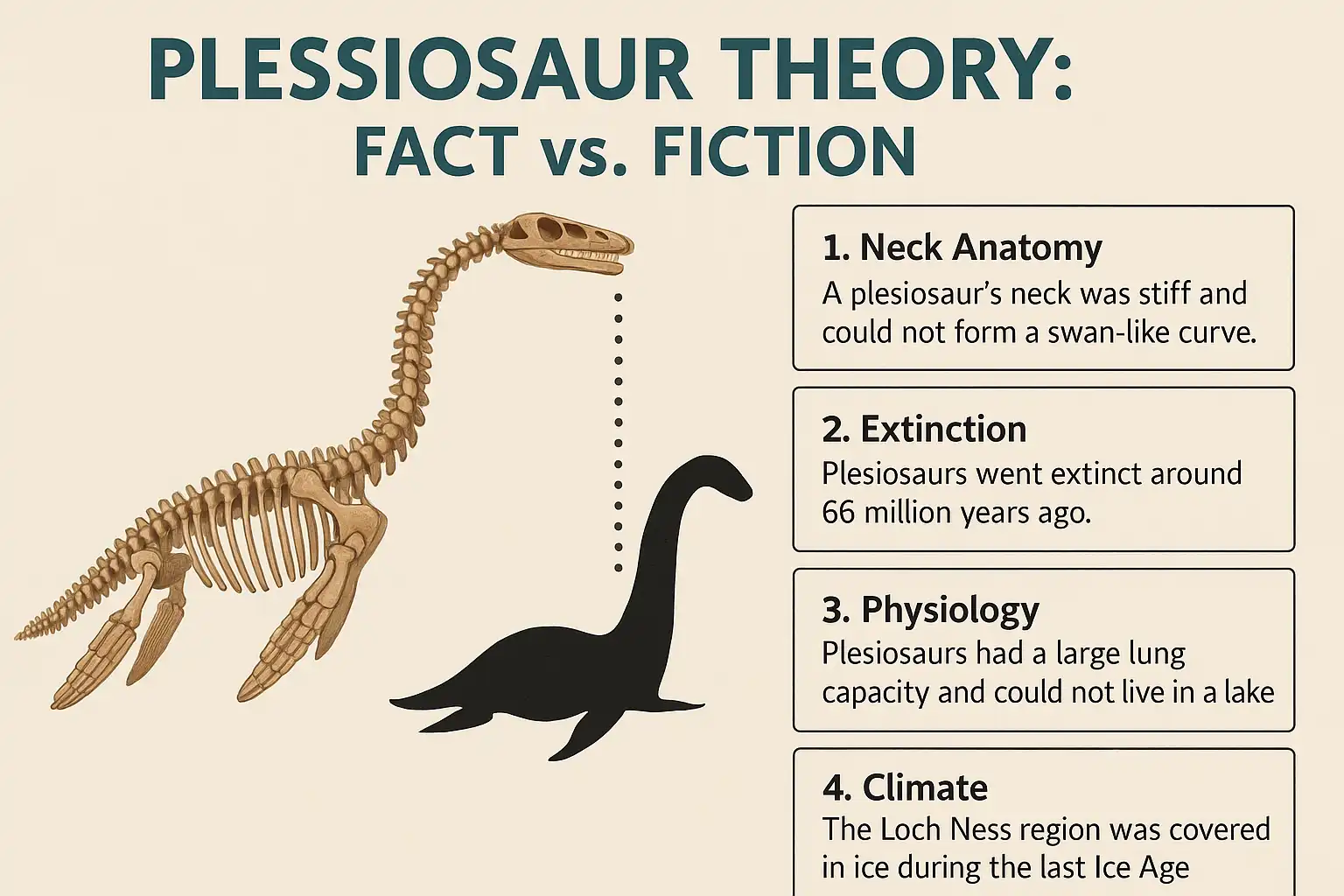
The most enduring and romantic image of the Loch Ness Monster is that of a plesiosaur, a long-necked marine reptile from the Mesozoic Era that somehow survived extinction. This theory gained immense popularity following the Surgeon’s Photograph and perfectly matches the classic description of Nessie. The idea of a living dinosaur in a remote Scottish loch is incredibly captivating. However, from a biological and geological perspective, the scientific consensus is that the plesiosaur theory is not viable. There are several insurmountable obstacles that make it a scientific impossibility. First is the issue of respiration. Plesiosaurs were air-breathing reptiles, much like modern sea turtles. They would have needed to surface regularly to breathe. In a location as heavily monitored as Loch Ness, a population of air-breathing animals would be spotted far more frequently and consistently than the sporadic sightings reported. Second is the need for a viable breeding population. A single creature cannot live for 65 million years. For the species to survive, a healthy population of at least 30-50 individuals would be required to maintain genetic diversity. The food chain in Loch Ness, which is relatively nutrient-poor (oligotrophic), could not possibly support such a large group of apex predators. The estimated total fish biomass in the loch is simply insufficient. Furthermore, the water is extremely cold, averaging 5.5°C (42°F). While some theories suggest plesiosaurs may have been warm-blooded, it’s highly unlikely they could thrive in such frigid conditions. The most conclusive argument, however, is geological. Loch Ness was carved by glaciers during the last Ice Age and was a solid block of ice as recently as 20,000 years ago. It has only existed in its current form for about 10,000 years. There is simply no way a population of Mesozoic reptiles could have been trapped there and survived being frozen solid. “From a paleontological perspective, the plesiosaur idea is pure fantasy,” a paleontologist like Dr. Donald Prothero would state unequivocally. “Every piece of scientific evidence we have, from biology to geology, argues against it.”
The Giant Eel Hypothesis: A Plausible Contender from the Deep?
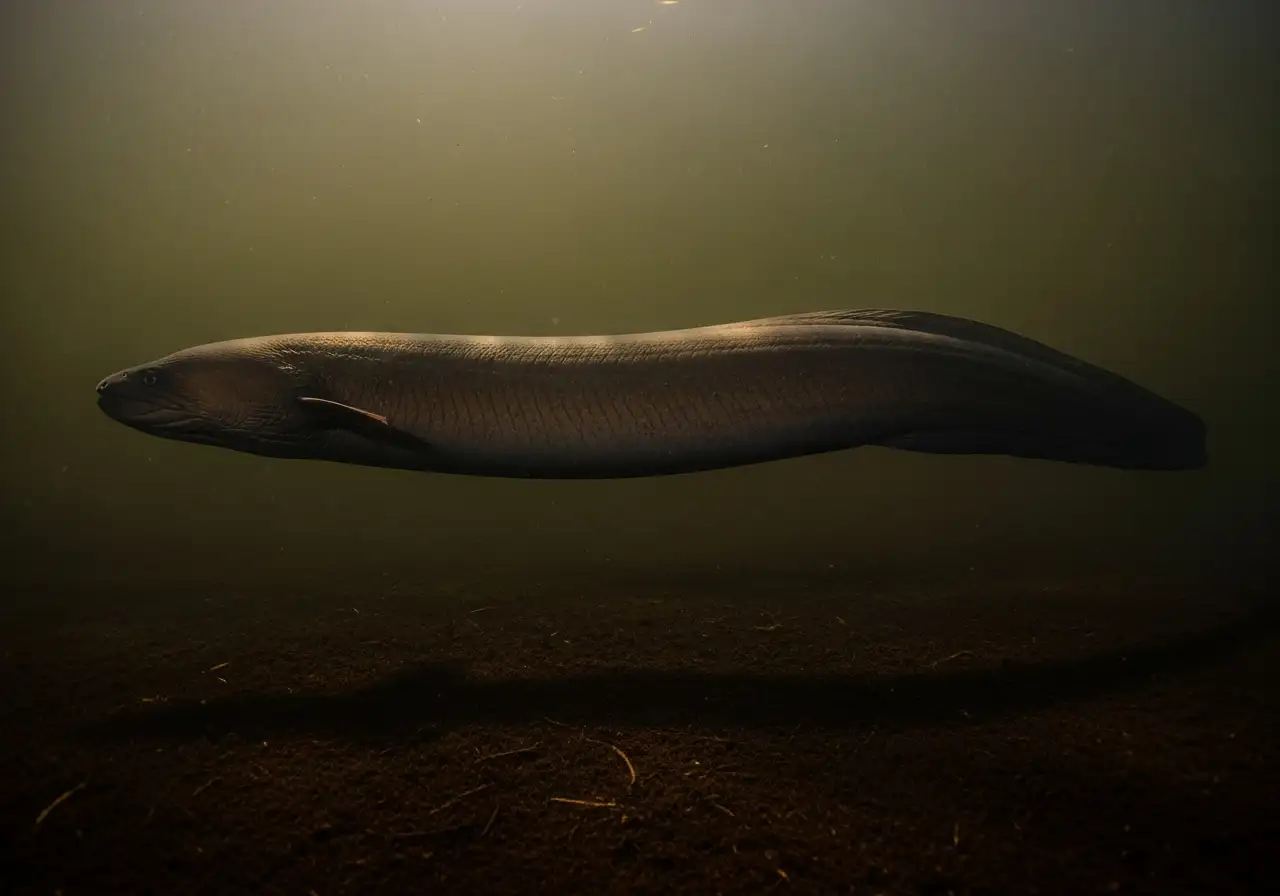
With the plesiosaur theory scientifically untenable, researchers have turned to more plausible biological candidates. One of the most compelling modern theories emerged from a groundbreaking study in 2018. A team of international scientists, led by Professor Neil Gemmell of the University of Otago in New Zealand, conducted the most comprehensive DNA survey of Loch Ness ever attempted. The project involved collecting hundreds of water samples from various locations and depths throughout the loch. They then analyzed the environmental DNA (eDNA)—the microscopic genetic fragments shed by all organisms through skin, scales, feces, and urine. This cutting-edge technique provides a snapshot of all the species living in the ecosystem. The results, published in 2019, were fascinating. The team found no DNA from any large, exotic species like sharks, sturgeon, or catfish. Critically, there was “not a single snippet” of reptilian DNA, effectively serving as the final scientific nail in the coffin for the plesiosaur theory. However, the study did find one type of DNA in enormous quantities at nearly every sampling site: that of the European eel (Anguilla anguilla). “There is a very significant amount of eel DNA,” Professor Gemmell explained in his press conference. “Our data doesn’t reveal their size, but the sheer quantity we found was surprising. We can’t discount the possibility that what people see and believe is a Loch Ness Monster might be a giant eel.” While European eels rarely exceed 1.5 meters, it is biologically conceivable for a genetic anomaly or hormonal issue to result in an individual growing much larger. A 4- or 5-meter (13-16 foot) eel moving through the water could certainly appear as a serpentine neck or a series of humps, especially from a distance. This hypothesis doesn’t prove that giant eels exist, but it provides a plausible, biologically-based explanation for some sightings that aligns with the available scientific data. You can find detailed reports on the study on the University of Otago‘s website and via credible news sources like the BBC and National Geographic.
Explaining the Unexplained: A Compendium of Natural Phenomena
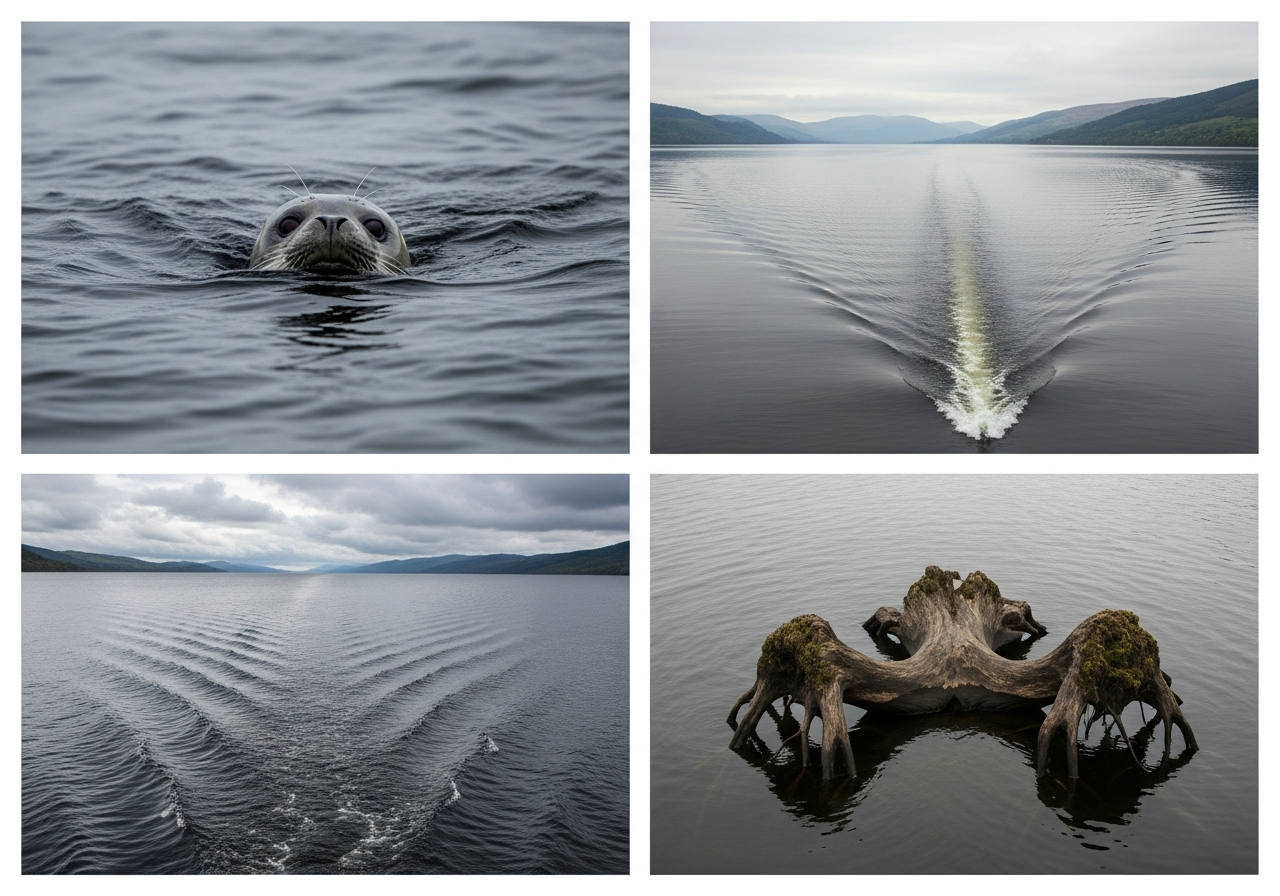
Beyond the search for a single “monster,” a crucial part of any scientific investigation is to consider how known animals and natural phenomena could be misinterpreted. Loch Ness is a dynamic environment, and the human mind is a powerful pattern-recognition machine, a combination that can easily lead to misidentification. Many sightings, especially those that are fleeting or distant, can likely be attributed to a range of mundane causes. A thorough investigator must consider these possibilities before jumping to an extraordinary conclusion. Seals, for instance, are known to travel up the River Ness from the sea. A seal’s head and neck bobbing on the surface can look remarkably like the classic monster description. Similarly, otters, which are native to the area and often swim in family groups, can create the illusion of a single, multi-humped creature when they dive and resurface in a line. The physics of the loch itself also plays a role. Boat wakes can travel for miles, interacting with the shoreline and each other to create strange humps and V-shapes that appear to be self-propelled. Wind patterns can create unusual surface disturbances, including standing waves known as seiches, which can make the water behave in very strange ways. Even inanimate objects like floating logs or mats of vegetation can be mistaken for a living creature, especially in poor light or choppy conditions. Finally, psychological factors cannot be ignored. Expectant attention—the state of actively looking for something—can prime the brain to interpret ambiguous stimuli as the thing it’s looking for. This, combined with the power of suggestion and the iconic status of Nessie, creates a strong potential for misinterpretation. As the skeptical researcher Benjamin Radford often notes, applying Occam’s Razor—the principle that the simplest explanation is usually the correct one—is a vital tool in these investigations.
| Phenomenon | Description | How it Explains Sightings |
| Seals & Otters | Marine mammals that occasionally enter the loch via the River Ness. | Their heads or backs breaking the surface can look like a monster’s head or humps, especially from a distance or in poor light. |
| Wakes & Waves | Boat wakes can travel for long distances and interact in complex ways, creating unusual wave patterns and humps on the surface. | A V-shaped wake from a boat can be mistaken for a creature moving through the water, as was likely the case with the Dinsdale film. |
| Floating Debris | Logs, mats of vegetation, or other debris can be moved by wind and currents. | A long log bobbing in the waves can easily be misinterpreted as a neck and head or a series of humps. |
| Seiches | A seiche is a standing wave in an enclosed body of water, caused by wind or atmospheric pressure changes. | It can cause the water level to rise and fall in unusual ways, creating strange surface disturbances that look like something is moving underneath. |
| Psychological Factors | Expectant attention and confirmation bias can lead people to misinterpret ambiguous stimuli as the monster they are hoping to see. | A bird, a fish, or even a trick of the light can be “seen” as Nessie by a primed and hopeful observer. |
Your Ultimate Loch Ness Expedition: A Step-by-Step Guide for the Modern Explorer
The true magic of the Loch Ness Monster is not confined to old books or grainy films; it lies in the thrilling possibility of becoming part of the story yourself. Each year, nearly half a million visitors are drawn to the shores of Loch Ness, not just for the stunning Highland scenery, but for the chance to cast their own eyes upon the water and search for a living legend. Planning an expedition to the loch is an adventure in itself, an opportunity to immerse yourself in the history, the science, and the sheer beauty of this remarkable place. It is a chance to stand where Tim Dinsdale stood, to gaze out from the ramparts of Urquhart Castle, and to feel the palpable sense of mystery that hangs in the air. At IHeartCryptids, we believe that the pursuit of mystery is one of life’s great adventures, and we are dedicated to providing you with the practical tools to embark on your own quest. This section is your comprehensive, step-by-step guide to planning the ultimate Nessie-hunting trip. We will cover everything from the best time to visit and the most strategic locations for a stakeout, to the essential gear you will need and the best tours to get you out on the water. Whether you are a dedicated researcher armed with a telephoto lens or a curious traveler seeking a unique experience, this guide will equip you with the knowledge to plan a thorough, memorable, and successful expedition into the heart of Nessie country.
Step 1: Strategic Timing for Your Visit
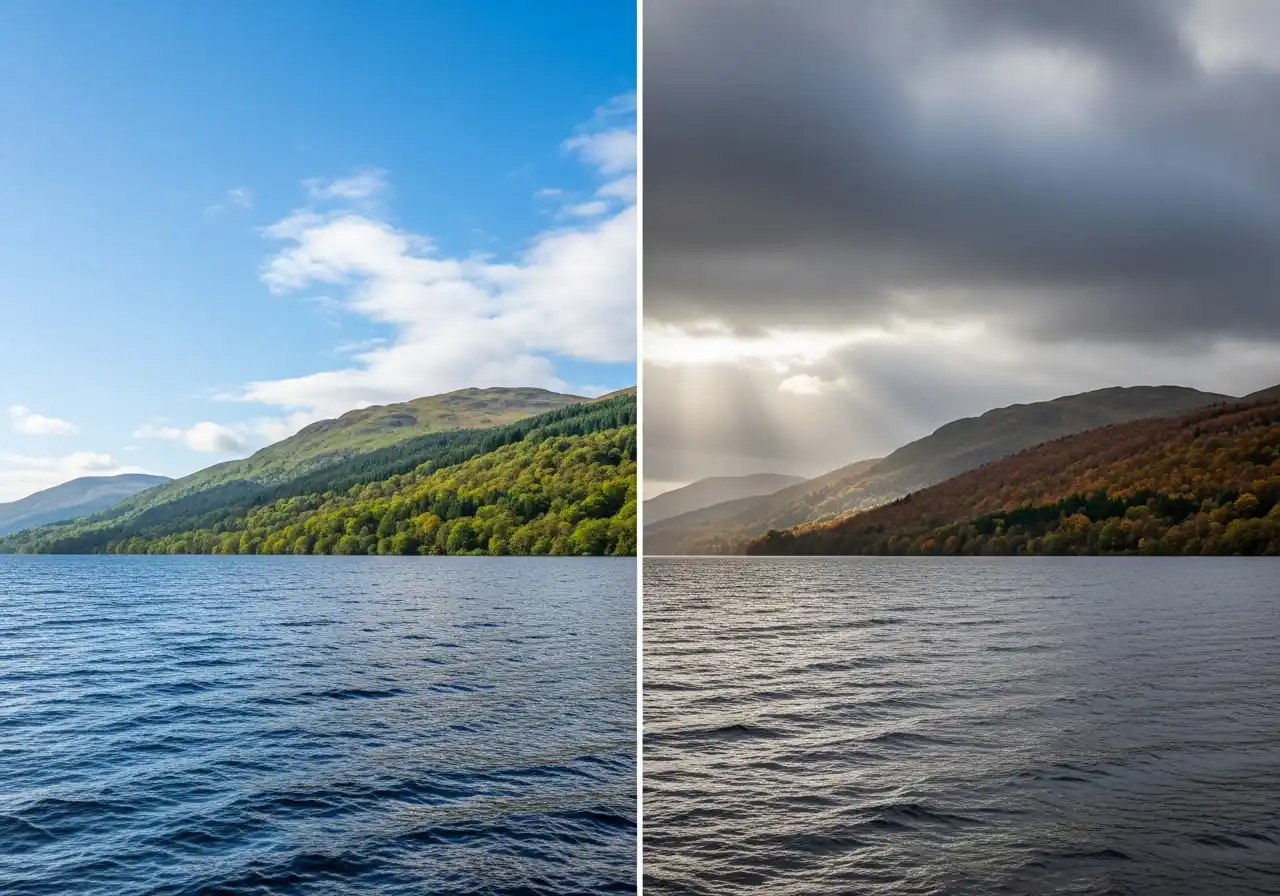
Choosing the right time to visit Loch Ness can significantly impact your experience. The primary monster-watching season runs from late spring through early autumn (May to October). This period offers the most significant advantages for a prospective hunter. The most crucial benefit is the extended daylight; during the peak of summer in June, the sun can stay above the horizon until after 10 PM, maximizing your observation time. The weather, while famously unpredictable in the Highlands, is generally milder and more stable during these months, offering a greater chance of the calm, placid water conditions that are ideal for spotting unusual surface disturbances. Furthermore, all local attractions, from boat tour operators to visitor centers, are fully operational with extended hours. A visit in November 2025, however, presents a different kind of opportunity. This is the shoulder season, transitioning into winter. The primary advantage is a significant reduction in crowds, allowing for a more peaceful and contemplative experience on the loch’s shores. The trade-offs are shorter days and colder, more volatile weather. You must be prepared for rain, wind, and even the possibility of snow. Many tourist services will be operating on a reduced winter schedule, so it is absolutely essential to check opening times and book any tours or accommodation well in advance to avoid disappointment. For the dedicated hunter, the quiet of November can be a unique and atmospheric time to watch the water.
Step 2: Logistics – Getting There and Where to Stay
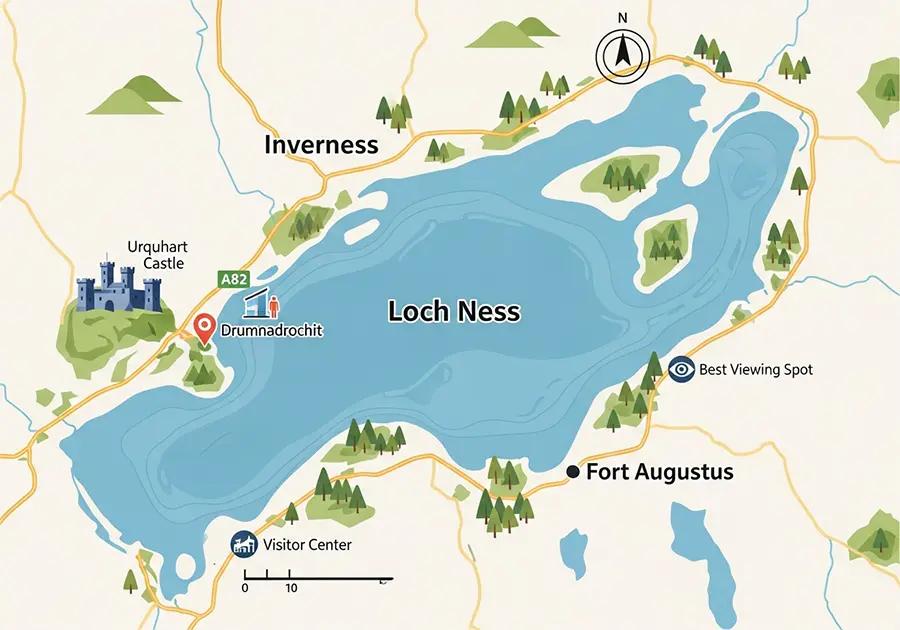
Loch Ness is a large and accessible destination located in the heart of the Scottish Highlands. The gateway city to the region is Inverness, situated at the loch’s northernmost tip. Getting There: For international travelers, the most convenient route is to fly into a major UK airport like London Heathrow (LHR) or Amsterdam Schiphol (AMS) and take a connecting flight to Inverness Airport (INV). The airport is a short taxi or bus ride from the city center. Inverness is also well-serviced by the UK’s national rail network, with direct trains from Edinburgh, Glasgow, and even an overnight sleeper service from London. For maximum flexibility in exploring the 23-mile (37 km) length of the loch, renting a car is highly recommended. The A82 road is the main artery, tracing the northern shore and connecting all the key points of interest. Where to Stay: The epicenter of Nessie tourism is the charming village of Drumnadrochit, located on the western shore near Urquhart Castle. Here you will find the highest concentration of hotels, cozy bed & breakfasts (B&Bs), and holiday cottages, as well as the main visitor centers. For a quieter experience, consider staying in Fort Augustus at the southern end of the loch, or use the city of Inverness as your base, which offers a wider range of dining and accommodation options just a short drive away. Booking your accommodation several months in advance is strongly advised, especially if you plan to visit during the peak summer season.
Step 3: The Essential Monster-Hunting Field Kit
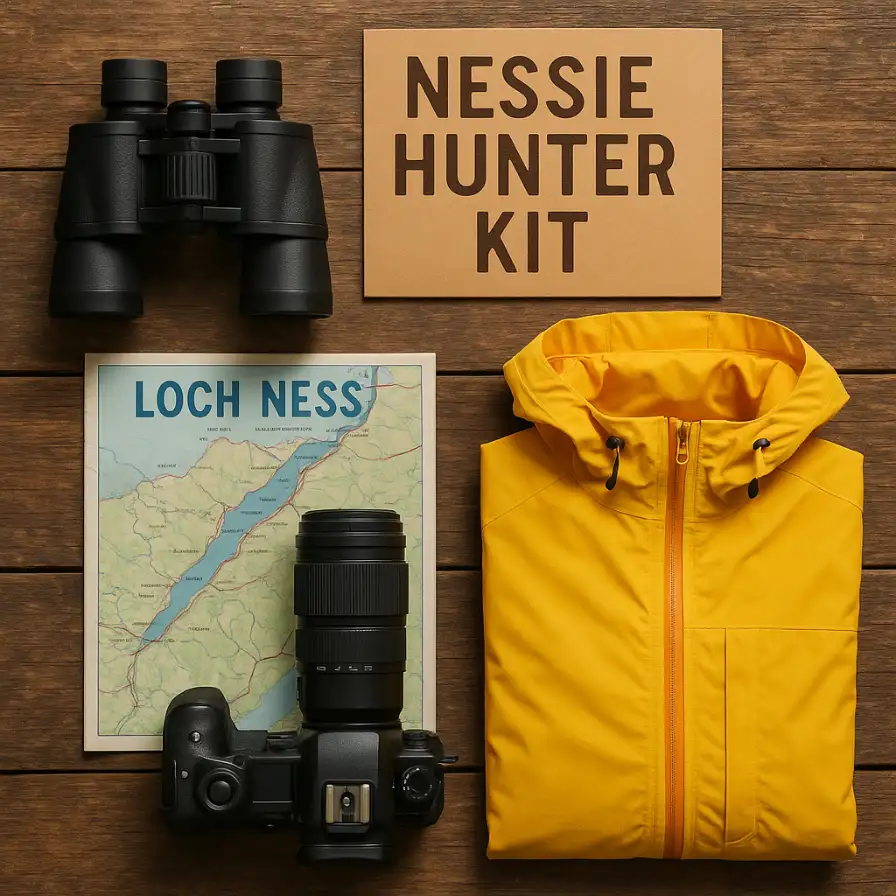
A successful expedition requires the right equipment. While the most important assets are patience and a keen eye, a well-prepared field kit can dramatically enhance your chances of not only spotting something unusual but also documenting it effectively. The weather in the Highlands can shift from sunny to torrential rain in minutes, so practical, weatherproof gear is non-negotiable. Your optical equipment is your primary tool. A good pair of binoculars is essential for scanning the vast distances across the loch and for examining any potential sighting more closely without causing eye strain. For documentation, a camera with a substantial telephoto or zoom lens is crucial. A simple smartphone camera will not suffice to capture a clear image of an object that could be hundreds of yards away. Preparing this kit beforehand will ensure you are ready to react the moment you see something on the water, transforming a fleeting glimpse into a potential piece of evidence. Here is a checklist of essential gear:
| Item | Purpose | Recommendation |
| Binoculars | To scan the far reaches of the loch and get a closer look at any disturbances. | A pair with at least 8×42 or 10×50 magnification for good light gathering and stability. |
| Camera with Telephoto Lens | To document any potential sightings. A long lens is crucial for capturing distant objects. | A DSLR or mirrorless camera with a lens that reaches at least 300mm. A tripod is also vital for stability. |
| Weatherproof Clothing | The weather can change in an instant. Waterproof jackets, warm layers, and sturdy shoes are a must. | Dress in non-cotton layers (wool or synthetics) and invest in a quality waterproof and windproof outer shell. |
| Patience & Open Mind | The most important tools. Sightings are rare, so enjoy the stunning scenery and the thrill of the hunt. | Find a comfortable spot, perhaps with a thermos of hot tea or coffee, and settle in for a long watch. |
| Notebook & Pen | To immediately log any sightings, including time, location, weather conditions, and a sketch of what you saw. | A waterproof notebook like a “Rite in the Rain” is an excellent choice for the Scottish climate. |
Step 4: Prime Locations and Must-Do Tours
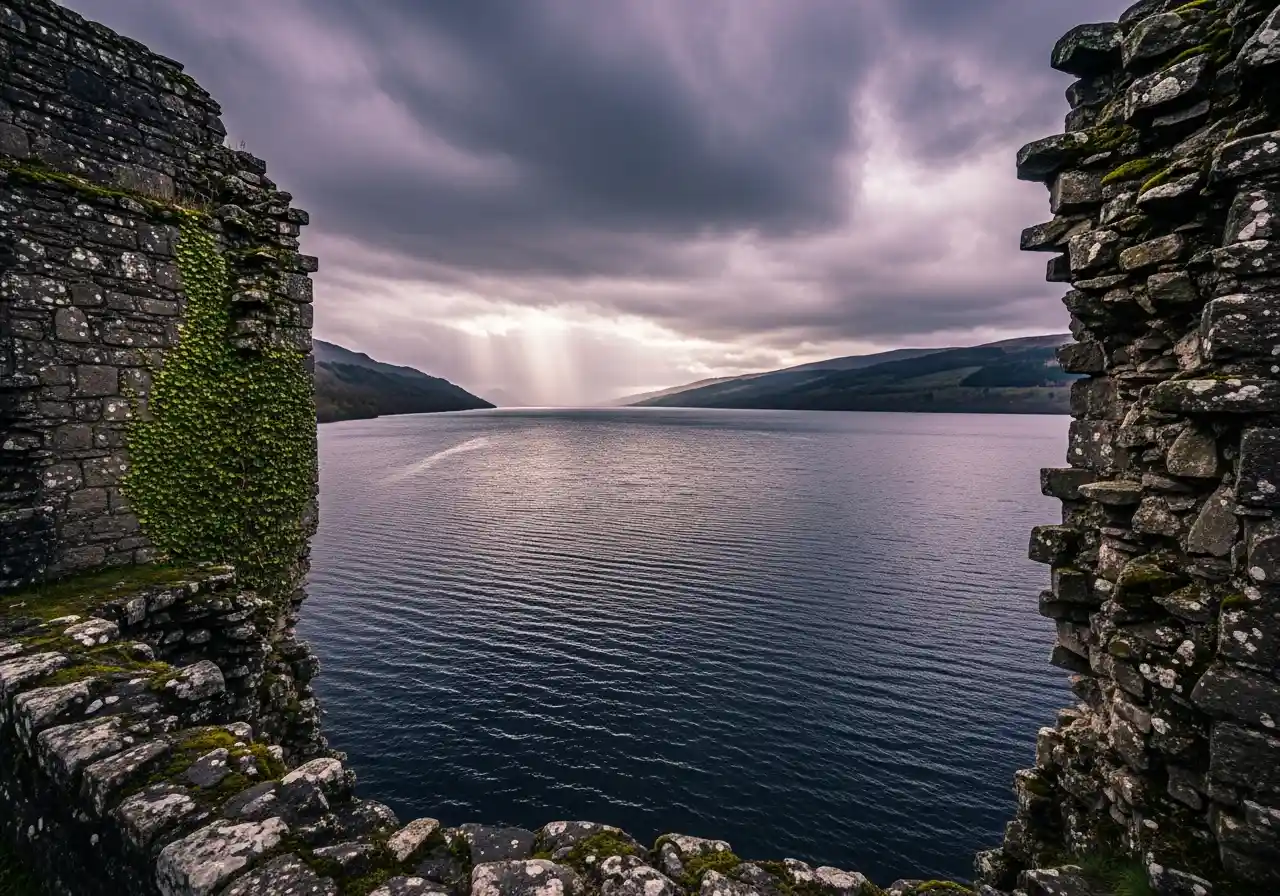
Knowing where to position yourself is key to maximizing your chances of a sighting. Some locations around Loch Ness offer superior vantage points and are historically associated with famous sightings. The most iconic of these is Urquhart Castle. The ruins of this 13th-century fortress are perched on a rocky promontory that juts out into the loch, providing a spectacular 180-degree panoramic view. Its elevated position is perfect for scanning a wide area of the water. Many historical sightings, including the one that inspired the Surgeon’s Photograph, occurred in this vicinity. The village of Fort Augustus, at the opposite southern end of the loch, is another excellent hub. The impressive series of locks that form the Caledonian Canal provide a great place to watch the water, and it’s a major departure point for boat tours. To truly understand the mystery, a visit to the educational centers in Drumnadrochit is essential. The award-winning Loch Ness Centre offers a scientifically-grounded, multi-media journey through the history of the sightings and research. Just down the road, NessieLand provides a more lighthearted, family-friendly experience. However, to truly appreciate the scale of the loch and search its most remote corners, you must get out on the water. Numerous tour operators offer cruises, many of which are equipped with on-board sonar systems, allowing you to see the depths beneath you in real-time.
| Tour Operator | Departure Point | Key Feature |
| Jacobite Cruises | Inverness, Drumnadrochit | Large, comfortable vessels with live sonar displays, and tour options that include a visit to Urquhart Castle. |
| Cruise Loch Ness | Fort Augustus | Offers a range of experiences from leisurely cruises on larger boats to high-speed RIB boat tours for a more thrilling adventure. |
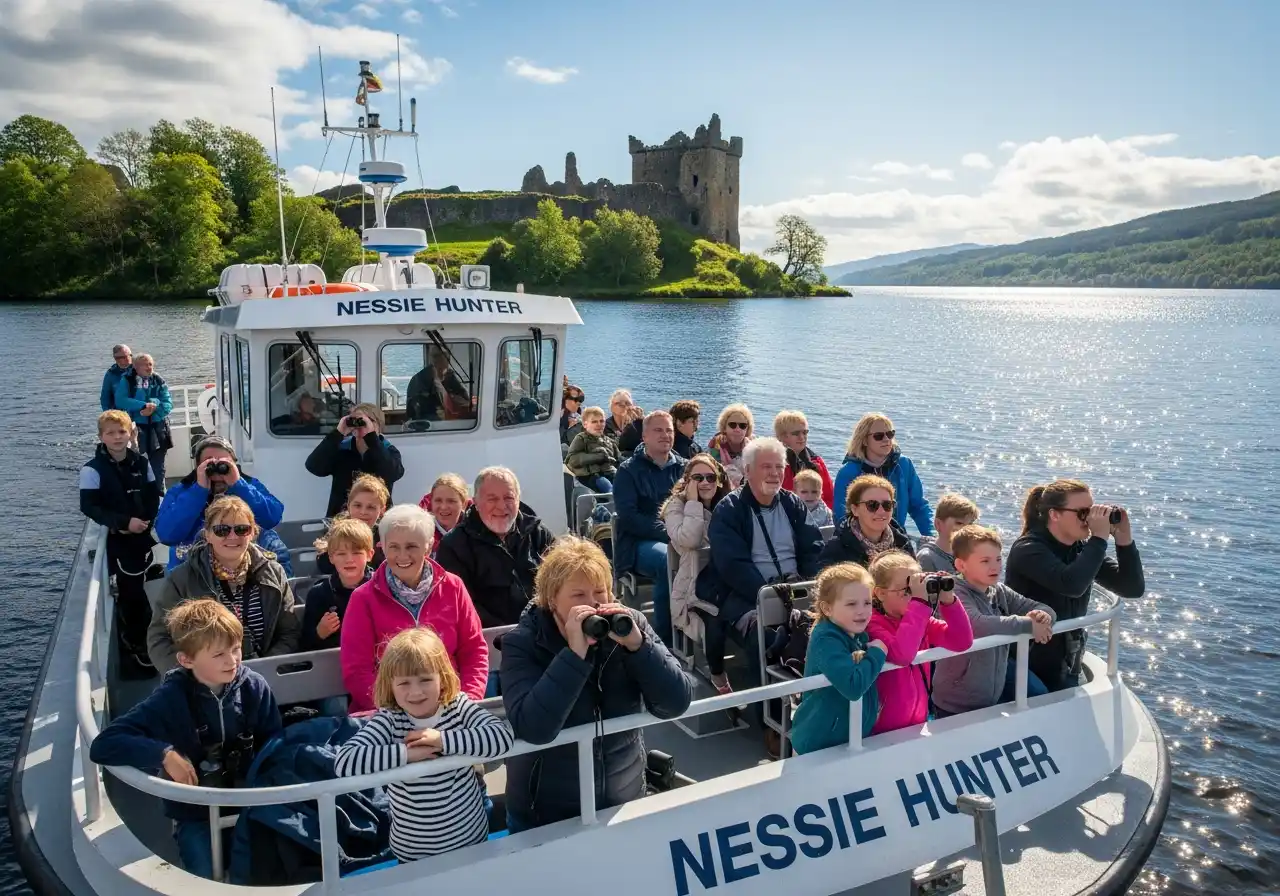
| Nessie Hunter (Deepscan) | Fort Augustus | Run by local skipper George Edwards, these smaller, more intimate tours are focused on the history and serious research of the monster. |
The Enduring Legacy: Why the Loch Ness Monster Still Captivates Us
The Loch Ness Monster is far more than an unsolved mystery; it is a cultural phenomenon and a powerful symbol of the unknown. In a world that often feels fully mapped, measured, and explained, Nessie represents the thrilling idea that profound secrets can still exist, hidden just beneath the surface of our modern lives. The legend’s endurance is a testament to our innate human desire for wonder and our fascination with the natural world’s potential for undiscovered marvels. Whether the creature is a surviving relic of a bygone age, an undiscovered species of eel, or a powerful myth woven into the fabric of the Scottish Highlands, its ability to inspire curiosity, debate, and adventure is undeniable. The quest for Nessie has fostered a unique global community of scientists, dedicated amateur researchers, artists, and enthusiasts—a community that IHeartCryptids is honored to support and celebrate. The persistent lack of conclusive proof does not weaken the legend; on the contrary, it is the very fuel that keeps it burning brightly, ensuring that each new generation has a magnificent mystery to ponder and a reason to keep watching the water.
Your own journey into the captivating world of the Loch Ness Monster does not have to conclude when you leave the shores of the loch. The spirit of the hunt, the thrill of the unknown, and the deep appreciation for one of the world’s greatest legends are things you can carry with you and share with others. This passion for the unexplained is what connects us as a community. For those who wish to celebrate this iconic cryptid and keep the spirit of the search alive in their daily lives, we have carefully curated a special collection of merchandise.
We warmly invite you to explore our dedicated Loch Ness Monster collection. From intricately detailed figures that capture its classic form to stylish apparel that lets you wear the legend with pride, you will find the perfect item to commemorate your interest in this incredible creature.
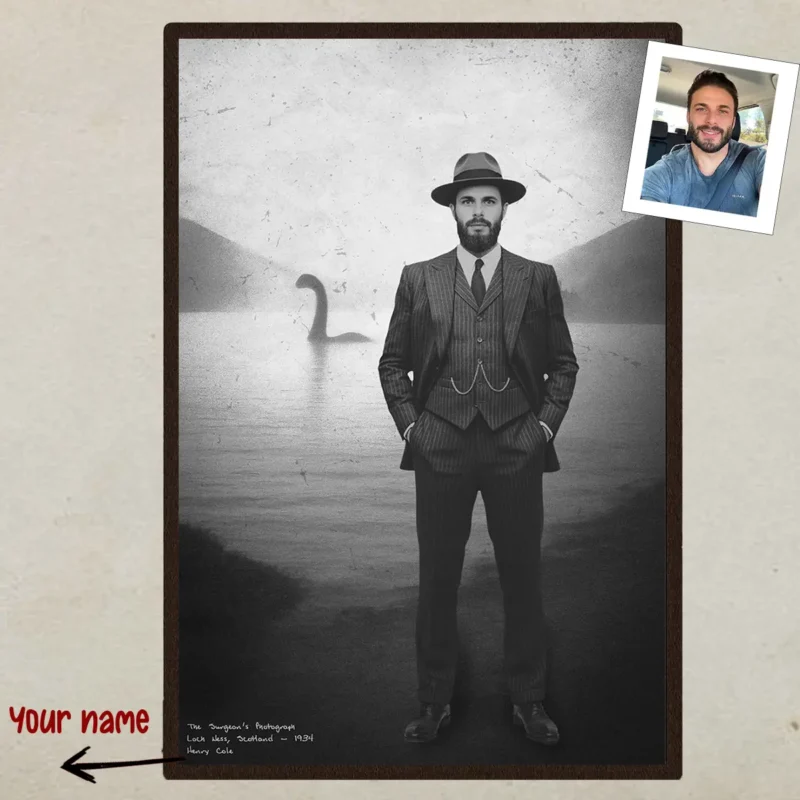
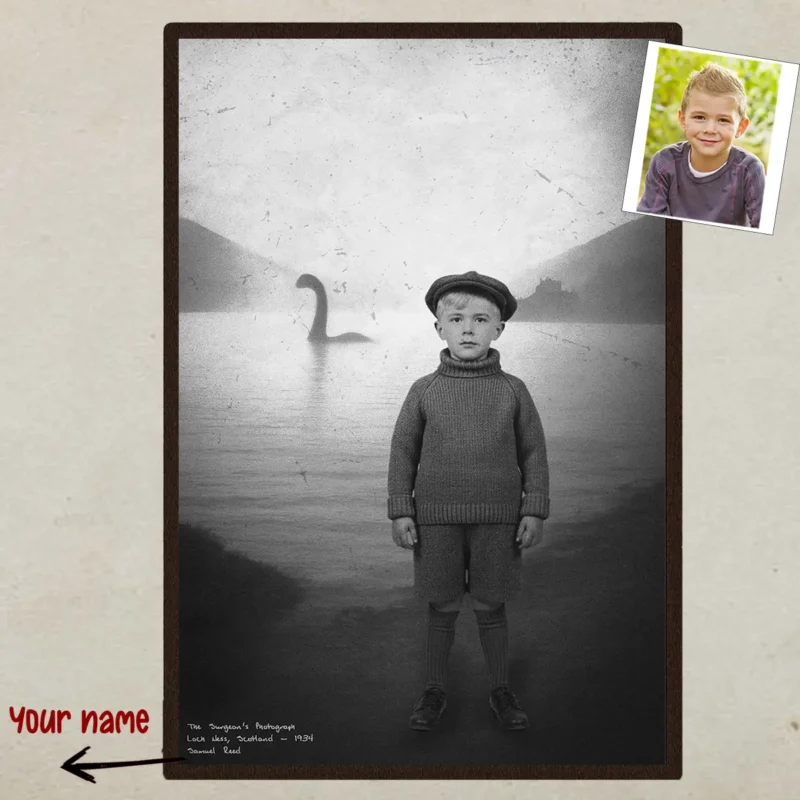
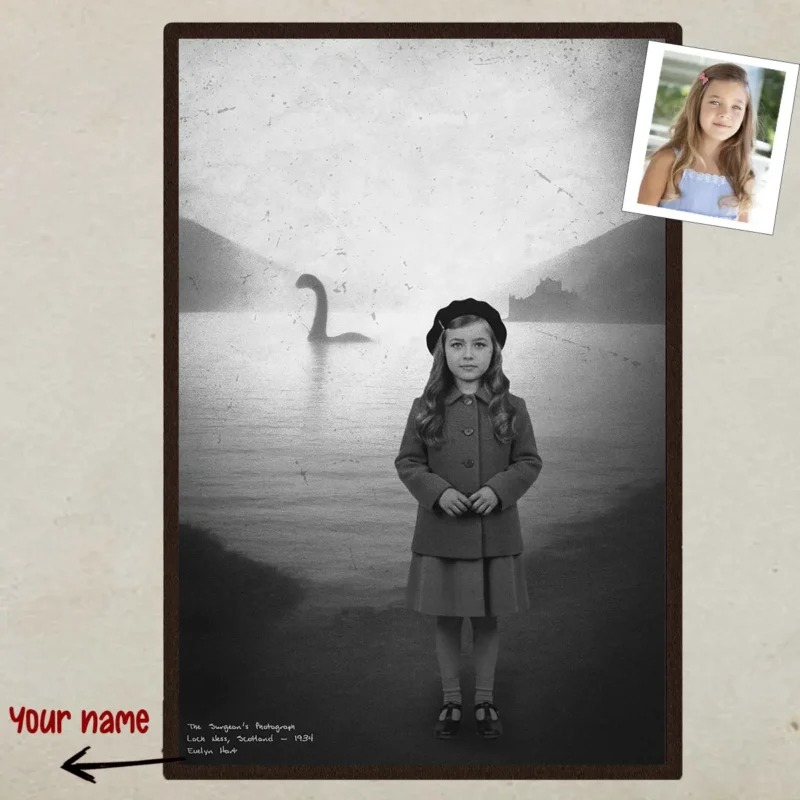
For even more unique gift ideas and merchandise celebrating Scotland’s most famous resident, be sure to explore our definitive gift guide on the IHeartCryptids blog.
Discover the 20+ Best Loch Ness Monster Gifts & Merchandise
Thank you for allowing us to be your guide on this deep dive into the mystery of the Loch Ness Monster. May your curiosity remain boundless, and may you never stop searching for the wonders that lie just out of sight.
The legend of the Loch Ness Monster is just one chapter in the world’s great book of mysteries. Your expedition has only just begun. Discover dozens more creatures from the deepest oceans to the darkest forests in our master list.
Continue your journey here: A Cryptozoologist’s Field Guide: The A-Z of 50+ Legendary Cryptids
Pingback: Cryptozoologist’s Field Guide: 50+ Legendary Cryptids A–Z