Cryptid Files
7 Reasons Why The Megalodon Was The Ultimate Apex Predator
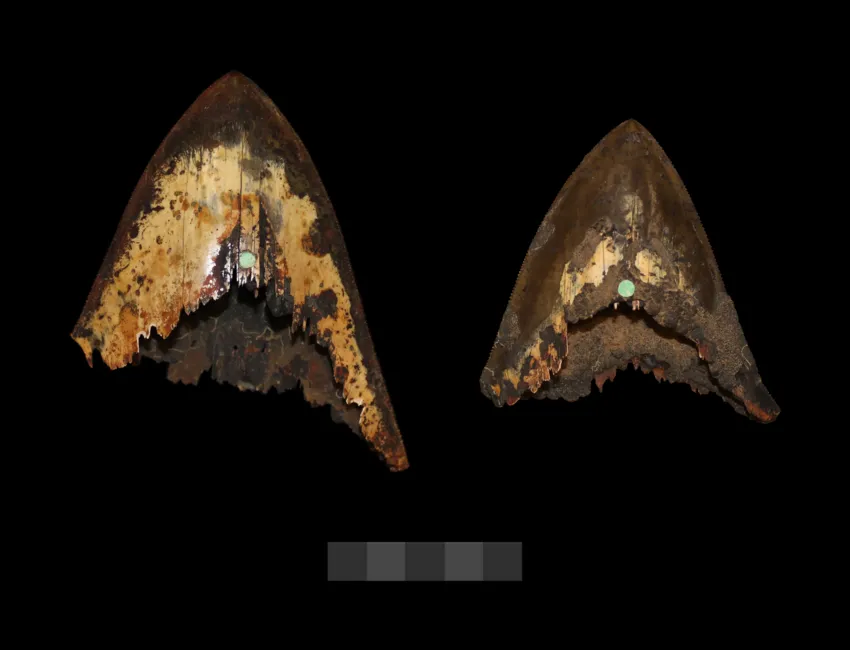
The year was 1875. The HMS Challenger, a corvette with its guns stripped to make room for laboratories, was drifting in the desolate expanse of the Pacific Ocean, roughly halfway between Tahiti and Chile. The crew, weary from months at sea, lowered a dredge net into the crushing blackness, letting it sink over 14,000 feet into the abyss. They were mapping the floor of the world, expecting to pull up nothing more than red clay and manganese nodules.
When the winch groaned and hauled the net back to the surface, the naturalists on board sifted through the cold, abyssal mud. Among the sediment, they found two triangular objects that stopped them cold. They were teeth. Massive, serrated, and possessing a strange, fossilized weight. But unlike the stone-turned fossils found in European quarries, these teeth retained much of their enamel. They looked… fresh. For a terrifying moment, the Victorian scientists on deck had to confront a chilling possibility: Was the monster that shed these teeth still swimming in the dark water beneath their wooden hull?
While later analysis by the Smithsonian Institution and other bodies would date these teeth to the Pliocene and Pleistocene epochs—thousands of years old, preserved by the unique chemistry of the deep sea—that moment on the Challenger birthed a legend. It forced humanity to look at the ocean not just as a trade route, but as a hiding place for giants.
Welcome to IHeartCryptids.com We are your archivists of the unknown, balancing skepticism with the thrill of discovery. You are here because standard encyclopedia entries feel incomplete. You want to understand the mechanics of a monster, the physics of a bite that could crush a car, and the truth behind the rumors of its survival. Today, we open the file on Otodus megalodon to reveal exactly why this creature remains the undisputed king of the ocean’s history.
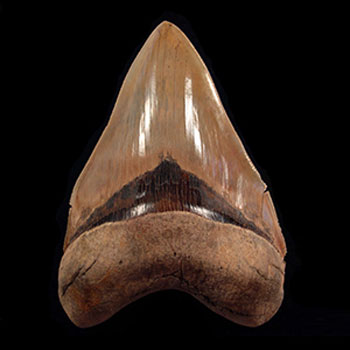
1. Biological Engineering: A Masterpiece of Evolution
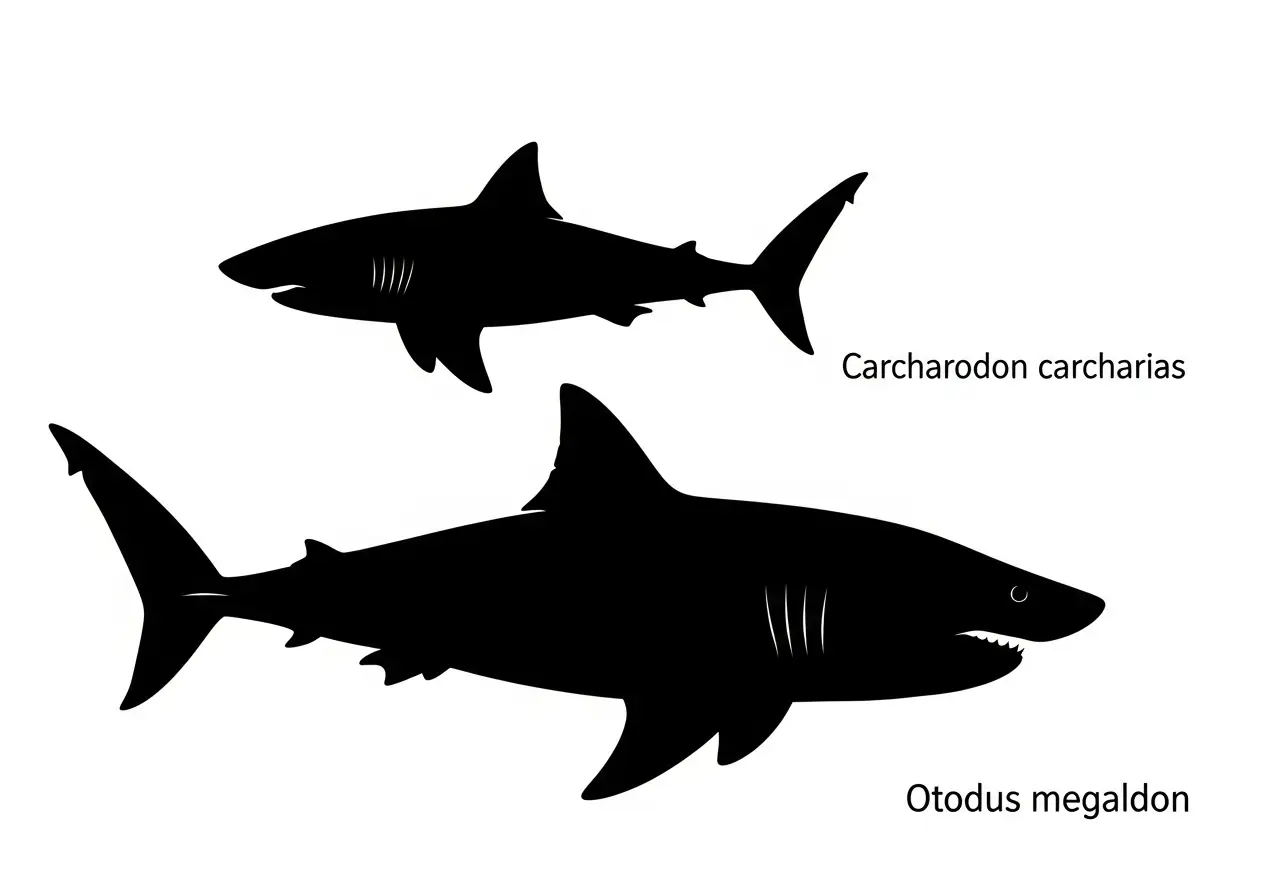
To understand why the Megalodon was the ultimate predator, we must first strip away the Hollywood myths and look at the biological reality. For decades, pop culture—and even science—viewed this shark as simply a “monster-sized” Great White. We often saw it referred to as Carcharodon megalodon. This classification implies that the Great White (Carcharodon carcharias) is a direct descendant, a smaller, compact version of the original.
However, the consensus in paleontology has shifted dramatically. Most experts now classify this beast as Otodus megalodon, placing it in the family Otodontidae. This is not just a semantic change; it rewrites the shark’s entire blueprint.
The Megalodon was not a sleek, torpedo-shaped chaser like the Great White. It was a bruiser. Evolutionary modeling suggests a stockier, more robust build with a shorter, blunter snout and massive pectoral fins designed to generate lift for its colossal body.
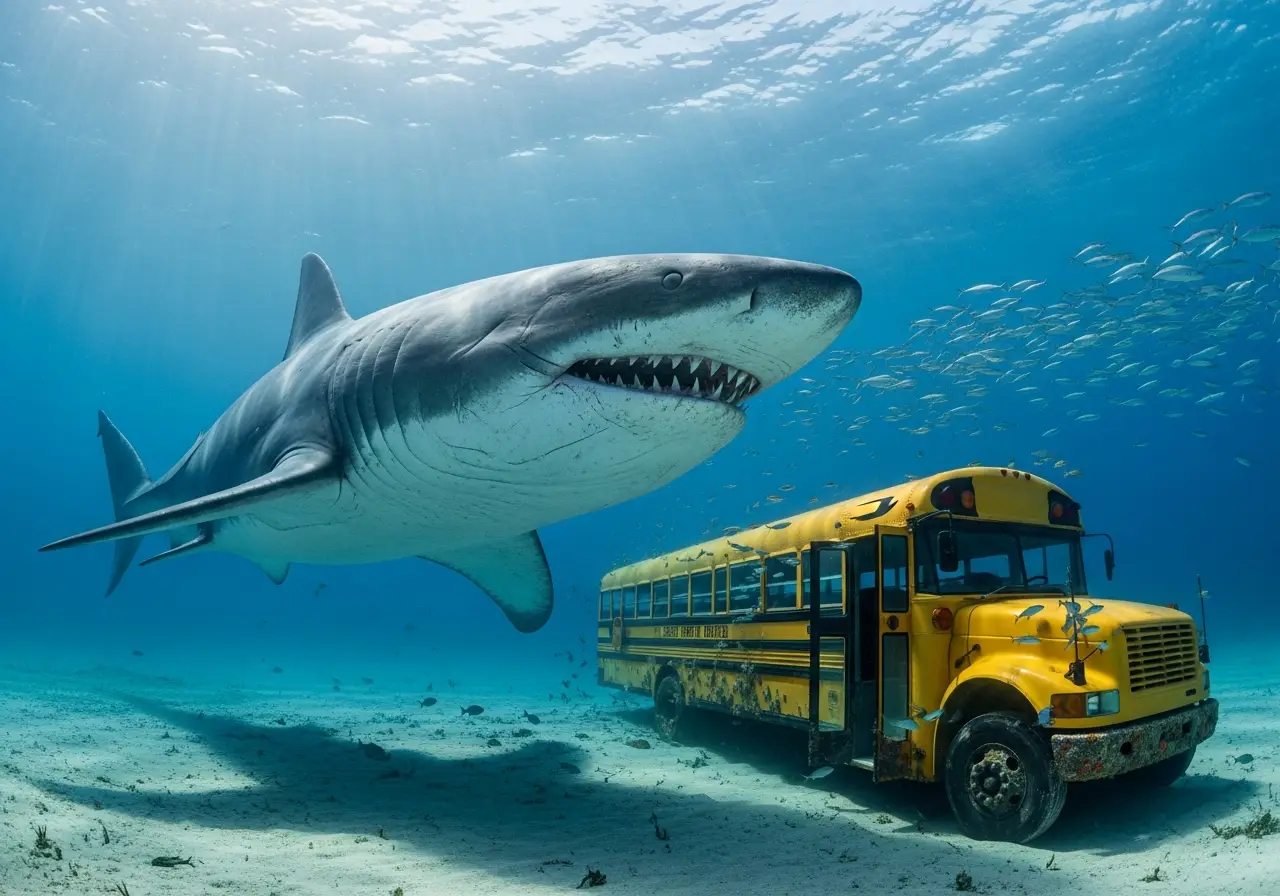
The Scale of the Beast
How big was it, really? Because cartilaginous fishes rarely leave behind skeletons (cartilage dissolves long before it can fossilize), scientists rely on regression formulas based on tooth enamel height.
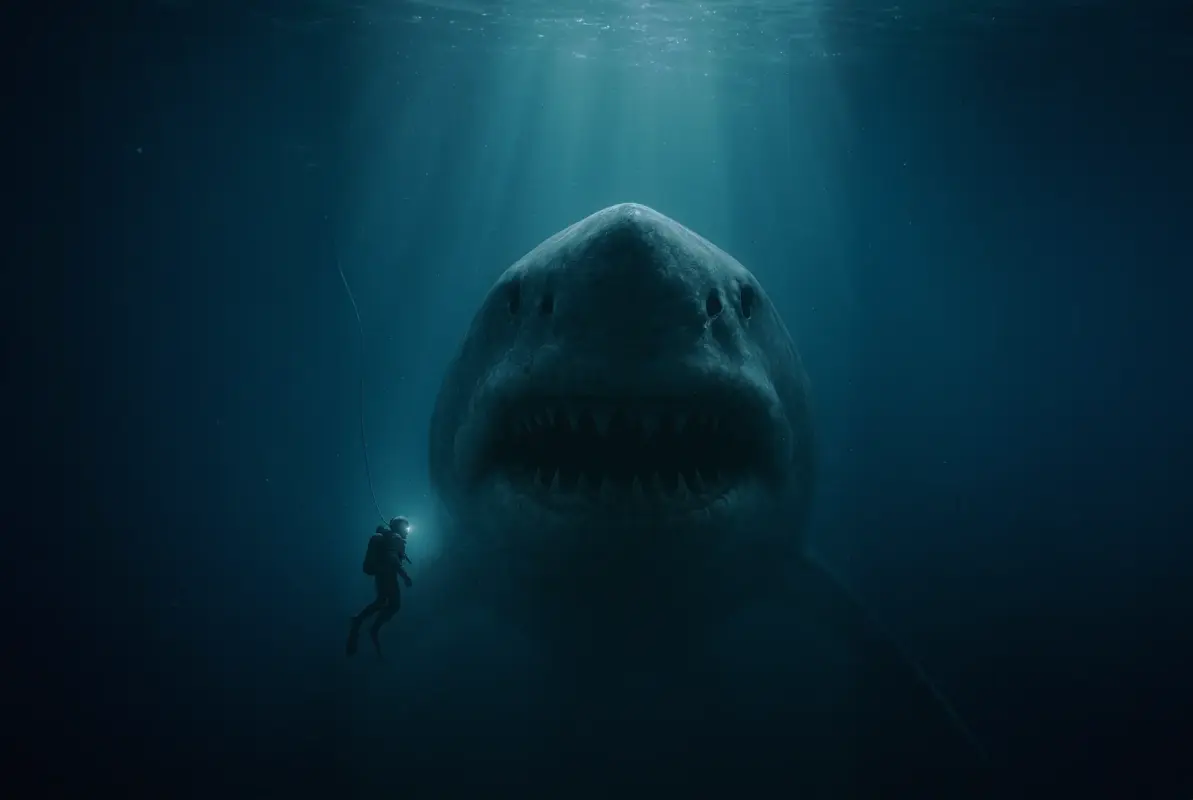
Current estimates place a fully grown adult female—sexual dimorphism likely made females larger—at 15 to 18 meters (50 to 60 feet) in length. To visualize this, imagine a standard school bus. Now add another half of a bus behind it. That is the Megalodon. In terms of mass, we are looking at a creature weighing between 50 and 100 metric tons. It was a macroscopic anomaly, a creature that pushed the biological limits of how large a predator can get before it cannot find enough calories to survive.
2. The Ultimate Weaponry: Teeth and Jaw Mechanics
The second reason for its dominance lies in its namesake: “Big Tooth.” The teeth of the Megalodon are the most recognizable fossils in the world, yet their engineering is often overlooked.
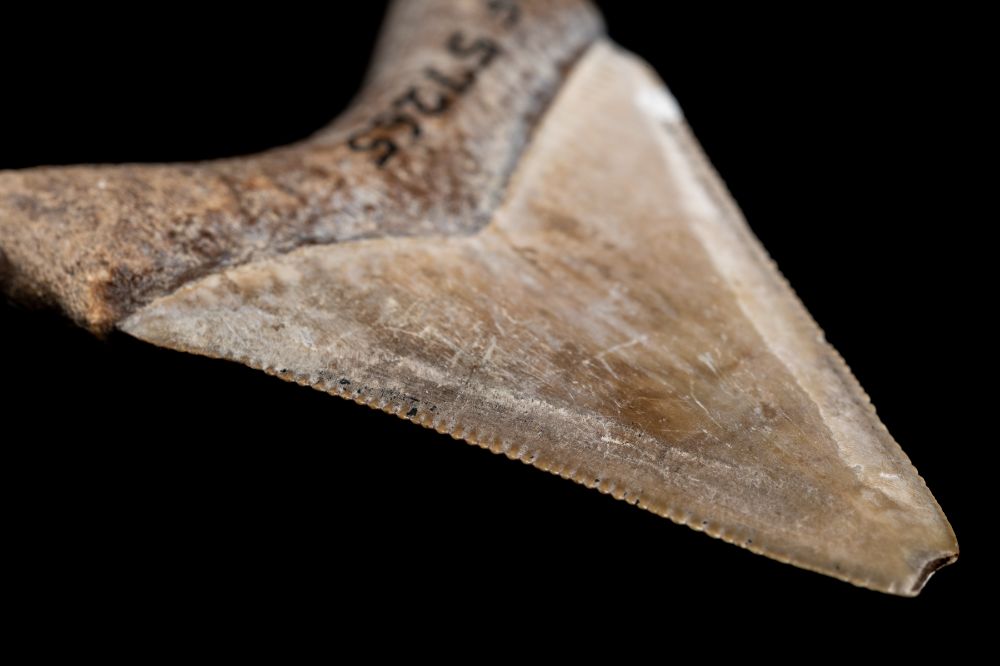
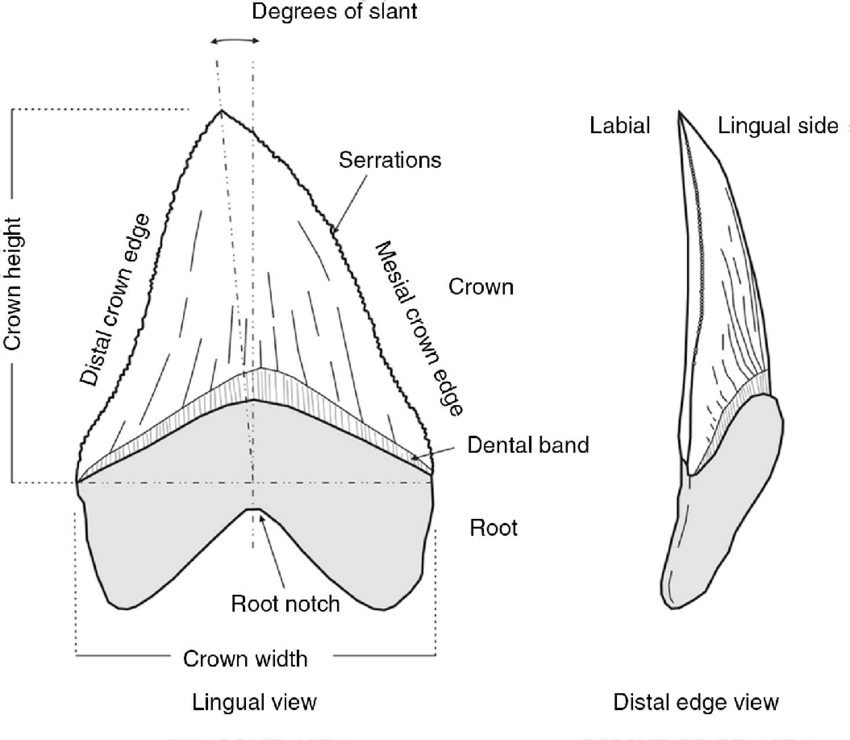
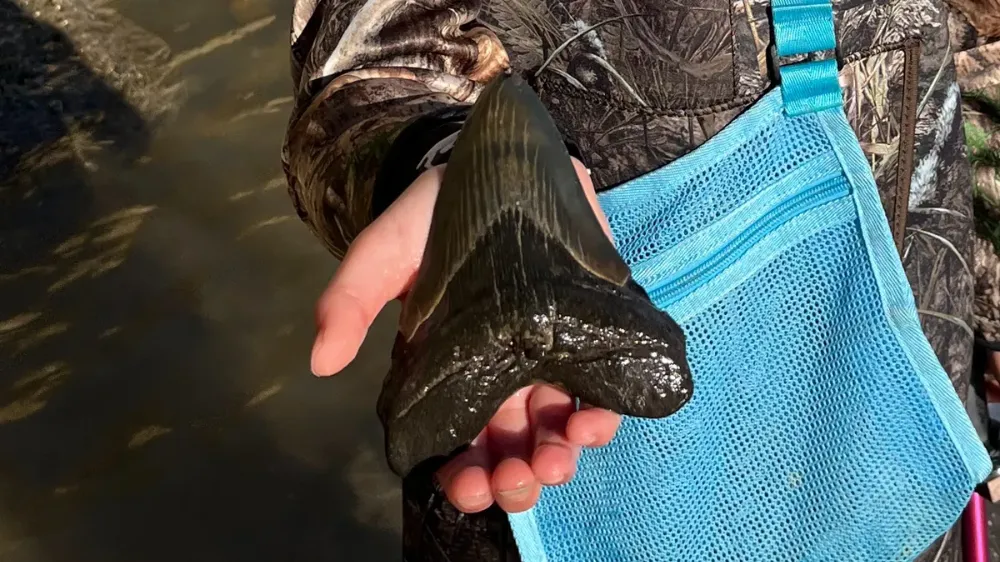
A large Great White shark tooth is razor-sharp and thin, designed to slice through the soft blubber of a seal. If a Great White bit into the solid bone of a whale’s ribcage, its teeth might snap. The Megalodon did not have this problem. Its teeth were thick, robust, and triangular, measuring up to 7.5 inches in slant height.
The Bourlette and Serrations
Two features made these teeth indestructible:
- The Bourlette: This is a V-shaped band of enamel between the root and the blade. It acted as a shock absorber, distributing the immense pressure of a bite so the tooth wouldn’t shatter upon impact with bone.
- Fine Serrations: The edges of the teeth were like a steak knife, designed not just to puncture, but to saw.
Bite Force: The 40,000 PSI Press
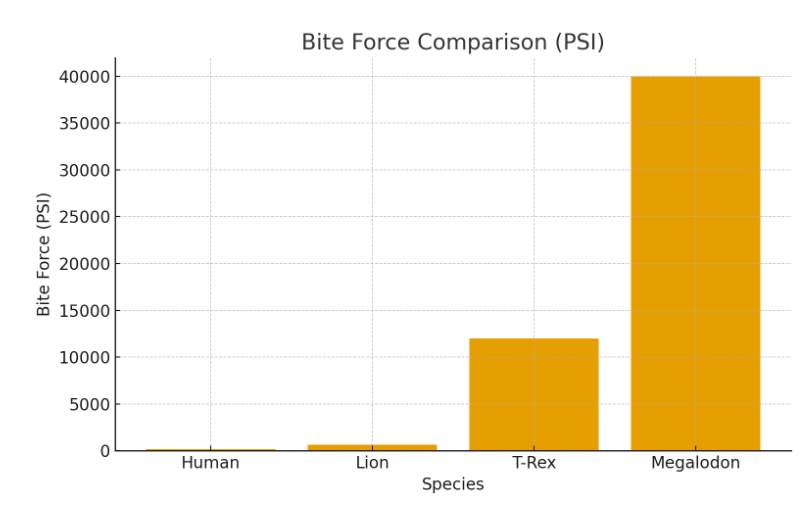
When we run computer simulations on the jaw structure of Otodus megalodon, the results are terrifying. A human bites with about 160 PSI. A lion, about 650 PSI. The Megalodon is estimated to have possessed a bite force of 40,000 PSI.
This wasn’t just a bite; it was a hydraulic crusher. This force allowed the Megalodon to employ a hunting strategy unavailable to smaller sharks: crushing the chest cavity. It didn’t need to bleed its prey out; it could simply pulverize the rib cage of a whale, rupturing the heart and lungs instantly.
3. Regional Endothermy: A Warm-Blooded Killer
Fish are typically cold-blooded (ectothermic), meaning their body temperature matches the surrounding water. If the water is cold, they move slowly. If the water is warm, they are active. This is a major limitation for most marine life.
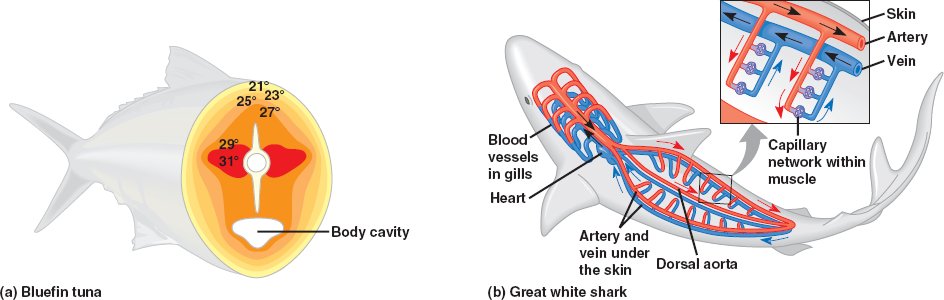
However, recent isotopic analysis of Megalodon teeth suggests it possessed a rare attribute known as Regional Endothermy. Much like modern Great Whites and Tuna, the Megalodon could generate its own body heat through metabolic processes and conserve it using a specialized network of blood vessels called the rete mirabile.
This allowed the Megalodon to maintain a body temperature higher than the surrounding water. Why is this a game-changer?
- Speed: Warmer muscles contract faster. The Megalodon could launch explosive attacks even in cooler waters.
- Brain Function: A warmer brain processes sensory data more efficiently, giving it a tactical advantage over cold-blooded prey.
- Digestion: Higher body heat speeds up digestion, allowing the shark to process massive calorie loads quickly and get back to hunting.
4. A Diet of Giants: The Whale Hunter
You don’t get to be 50 tons by eating clownfish. The Megalodon was a specialized marine megafauna hunter. Its primary food source was Cetaceans—specifically, small-to-medium-sized baleen whales like Cetotherium (often called the “antelope of the Miocene”).
The Evidence is in the Bones
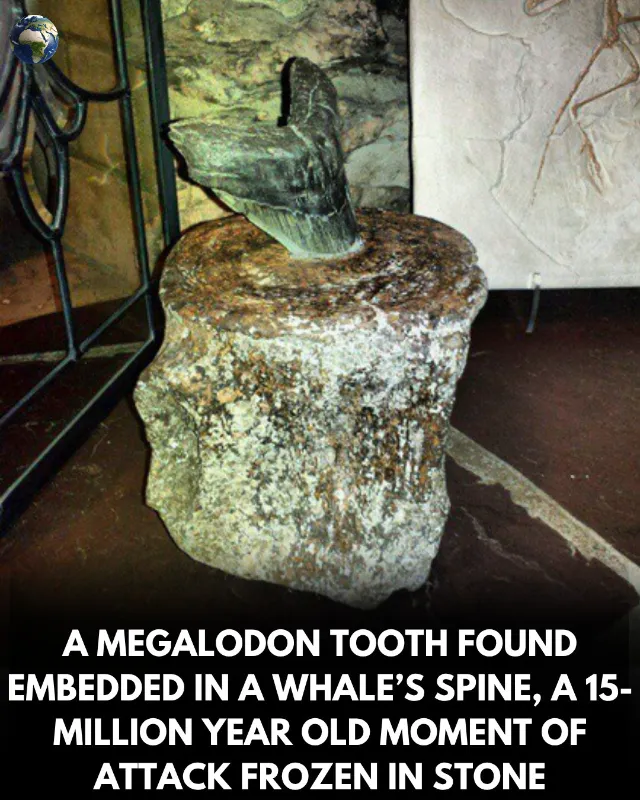
We know this because the fossil record serves as a crime scene. Paleontologists have unearthed whale vertebrae from the Miocene and Pliocene epochs that bear deep gashes matching the spacing and shape of Megalodon teeth. Some bones even show signs of healing, indicating that the whale survived the initial attack, proving that Megalodon was an active predator, not just a scavenger.
The Competition: Livyatan melvillei
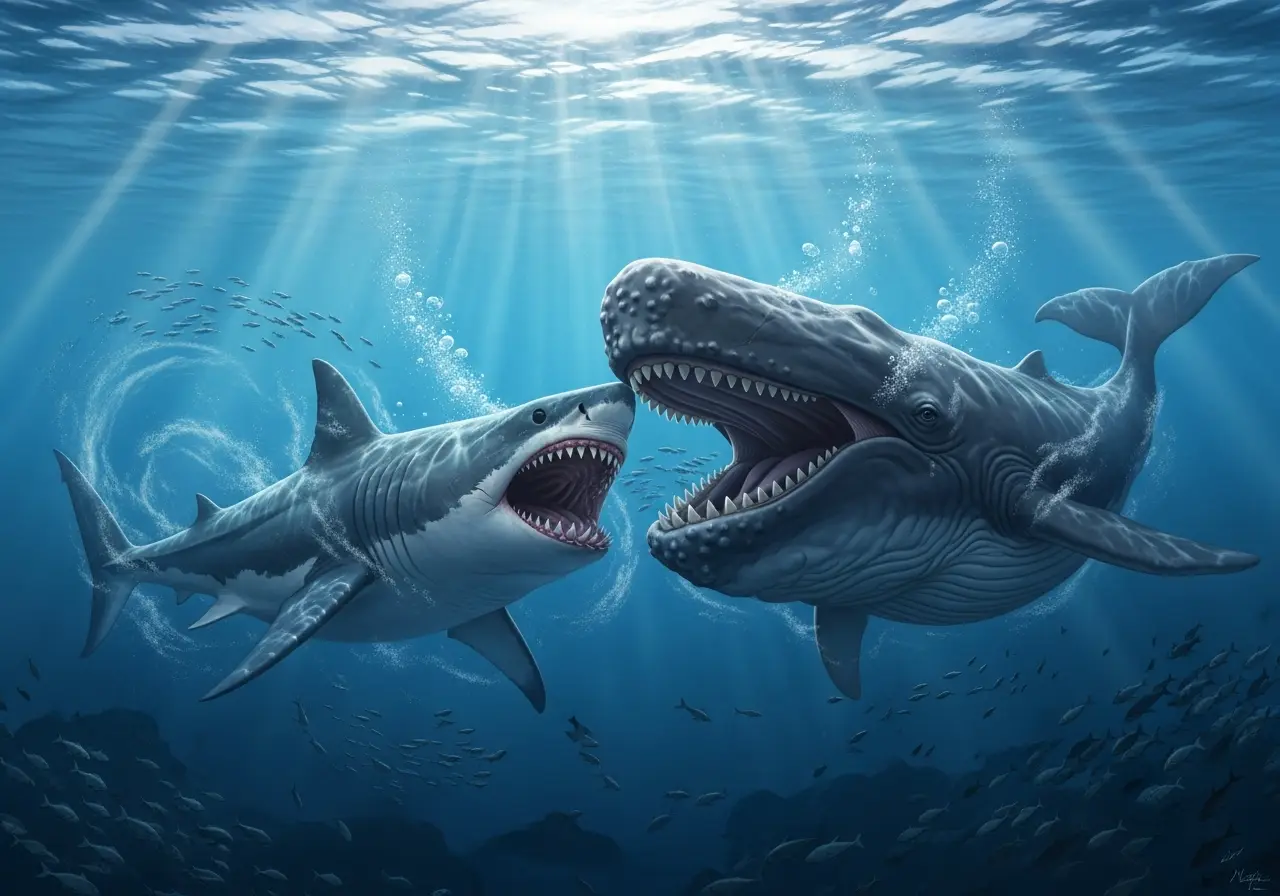
The Megalodon wasn’t alone. It shared the ocean with Livyatan melvillei, a prehistoric sperm whale with teeth over a foot long. These two titans were the definition of “Apex Predators.” While they likely avoided direct conflict to prevent mutual injury, they competed for the same high-calorie blubber. The fact that Megalodon thrived despite such formidable competition is a testament to its evolutionary perfection.
While Megalodon ruled the ancient oceans, another legendary creature continues to capture modern imagination — the Loch Ness Monster. If you’re a fan of deep-sea mysteries, explore our Loch Ness collection below.


5. Cosmopolitan Distribution: An Empire Without Borders
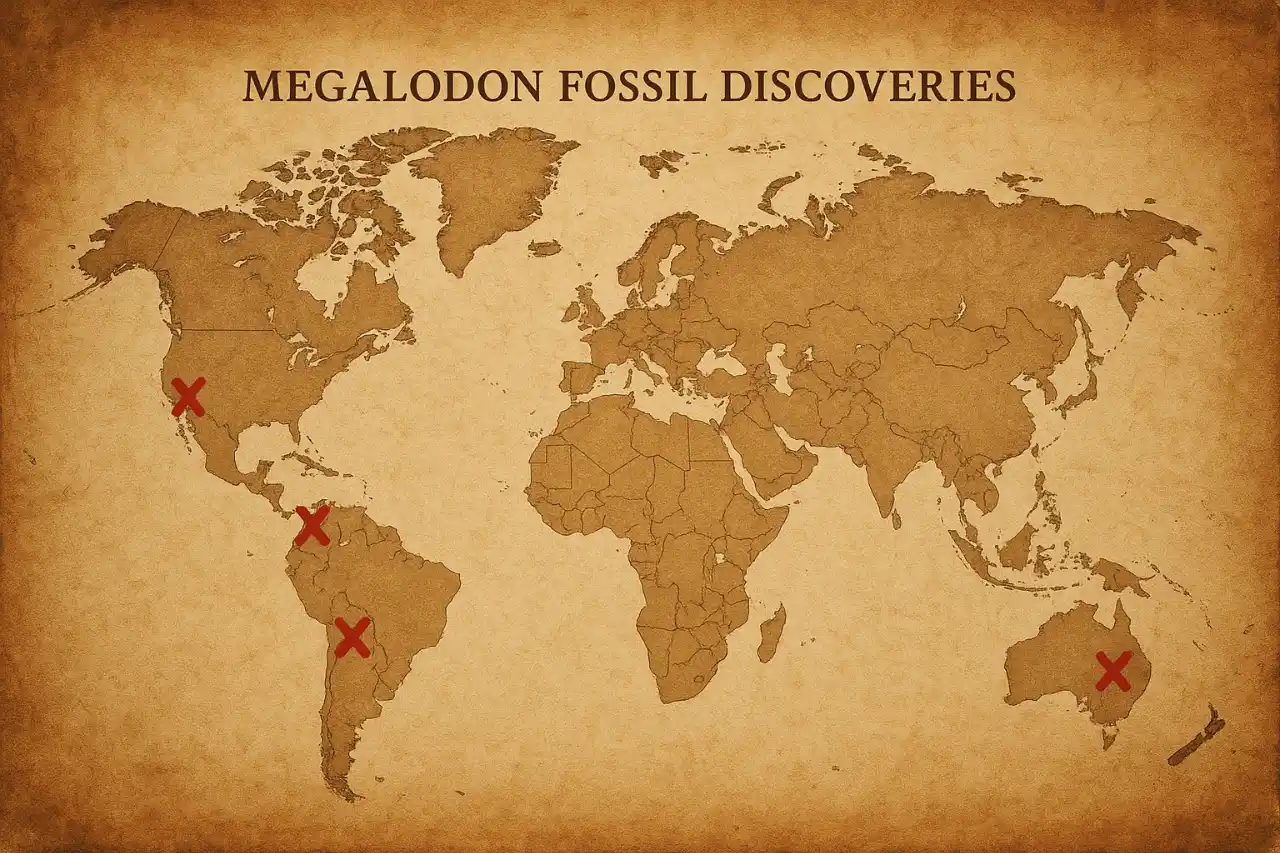
Most animals have a specific range. Polar bears stay in the Arctic; lions stay in the savannah. The Megalodon, however, achieved Cosmopolitan Distribution.
We have found Otodus megalodon teeth on every continent except Antarctica. From the coasts of North Carolina and Maryland to the deserts of Peru (which were once ocean floors) and the cliffs of New Zealand.
This widespread distribution indicates that the Megalodon was adaptable. It could thrive in deep waters, coastal shelves, and lagoon environments. It dominated the global ocean conveyor belt.
6. The Nursery Strategy: Protecting the Lineage
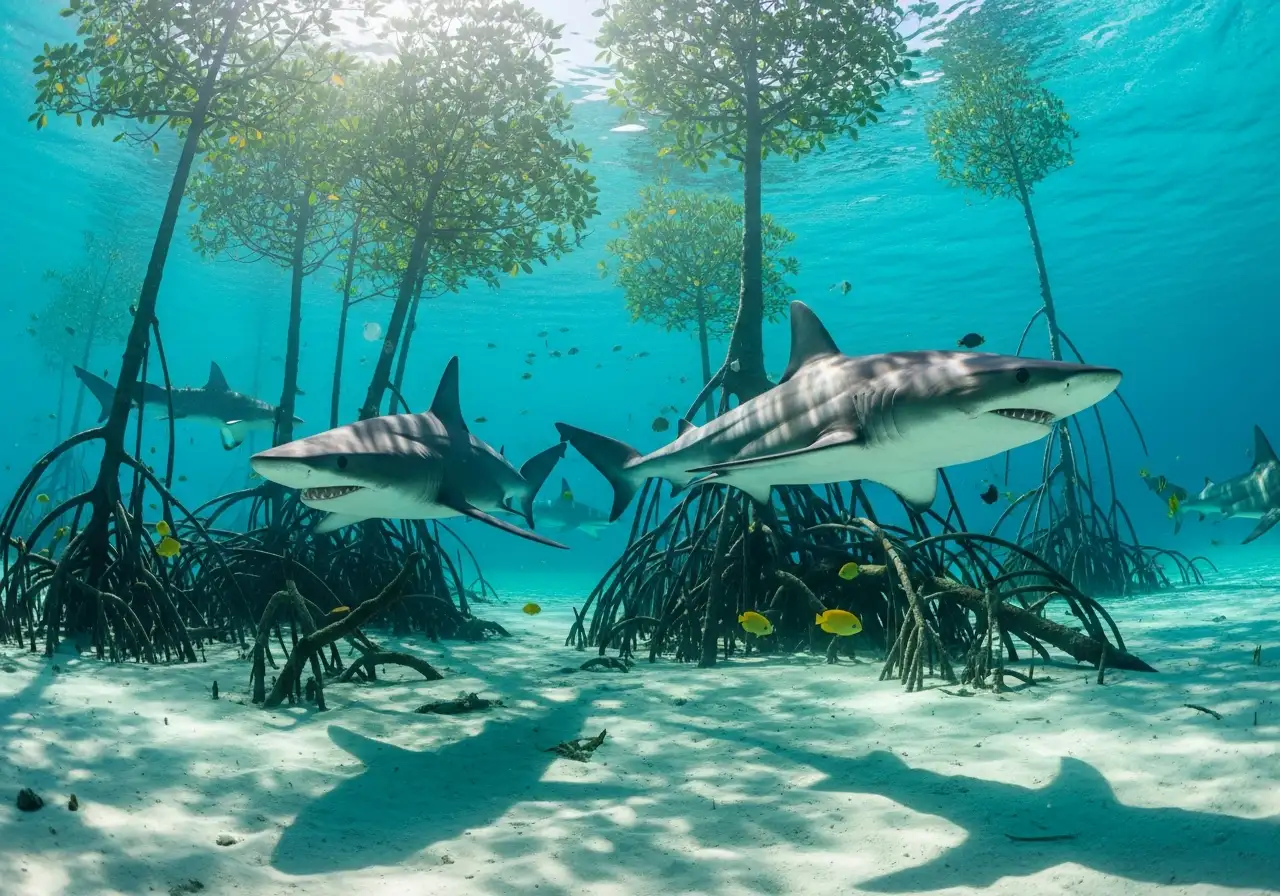
Being an apex predator doesn’t mean you are safe from day one. Even the mighty Megalodon started small. Recent discoveries in Panama and the Bone Valley region of Florida suggest that Megalodons used specific shallow, warm-water coastal areas as “nurseries.”
In these protected bays, food was plentiful (fish, turtles, dugongs), and large predators could not navigate the shallow depths. Here, juvenile Megalodons—born live at roughly 2 meters (6.5 feet) long—could grow without fear of being eaten by other adult Megalodons or rival whales. This parenting strategy (using safe havens) was crucial for the survival of a species that likely had a long gestation period and few offspring.
7. The Legacy of Fear: Why It Went Extinct (Or Did It?)
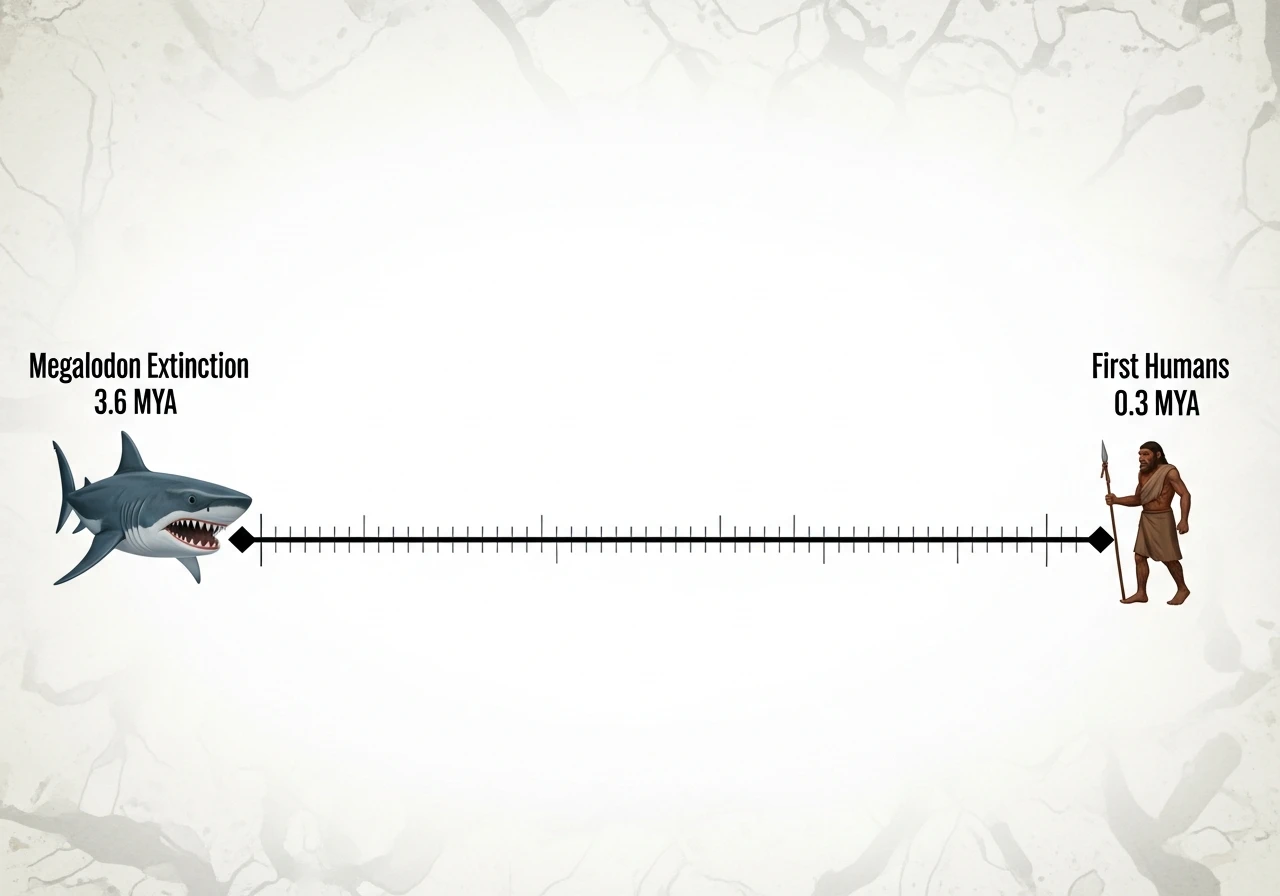
The final reason the Megalodon is the ultimate predator is its enduring ability to haunt us. It is the star of Cryptozoology. But if it was so perfect, why did it vanish 3.6 million years ago?
The extinction was likely caused by a combination of factors:
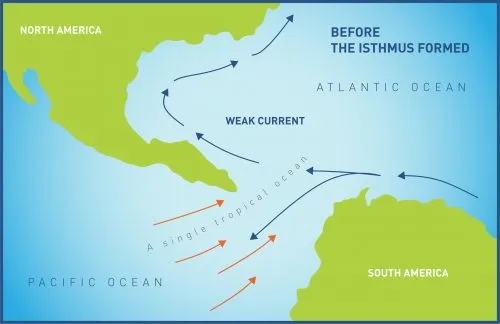
- Climate Change: The closing of the Isthmus of Panama disrupted global currents, cooling the oceans. The Megalodon, dependent on warm water, lost its habitat.
- Prey Migration: Whales adapted to the cold, migrating to polar regions where Megalodon could not follow.
- The Rise of the Great White: Smaller, faster Great Whites likely outcompeted juvenile Megalodons for food in the nurseries.
Search Intent Verification: Is it still alive?
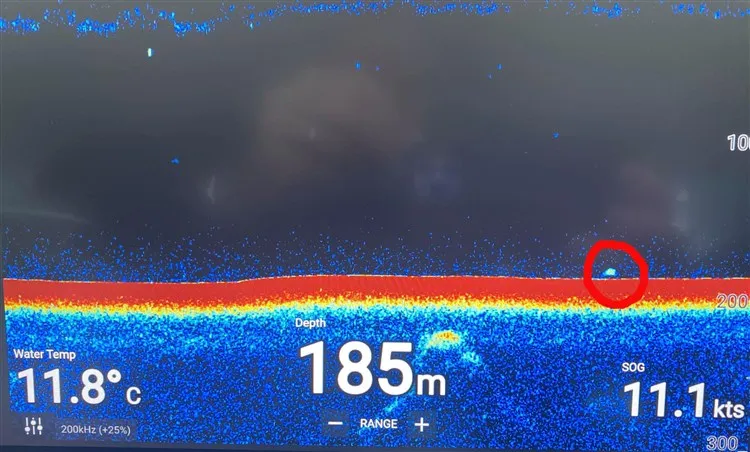
We see the search queries: “Is the Megalodon still alive?” or “Megalodon sighting 2024.”
While we at IHeartCryptids love the idea, the science suggests otherwise. The Mariana Trench is too cold and lacks the food density to support a massive predator. Furthermore, a predator of that size would leave evidence—bite marks on whales, sonar signatures, or washed-up carcasses. To date, no verified evidence exists. But, in the vastness of the ocean, the possibility is what keeps us looking.
A Collector’s Guide: Owning the Legend
For those who want to touch the history we’ve just discussed, owning a Megalodon tooth is a rite of passage.
Valuation and Identification
- The Size Factor: A tooth is measured diagonally from the tip (blade) to the corner of the root. Once a tooth crosses the 6-inch mark, the price increases exponentially because few sharks lived long enough to grow teeth that big.
- The “Bourlette” Factor: On many fossils, the bourlette (the band near the root) peels away. A tooth with a 100% complete bourlette is a “Rare Attribute” and commands a premium price.
Where to Find Them
If you are adventurous, you can dive the black waters of the Cooper River in South Carolina or walk the beaches of Venice, Florida. For the rest of us, reputable dealers source teeth from the ocucaje desert in Peru or the rivers of the Southeast USA.
Megalodon: The Monster Shark’s Life and Death
Why Megalodon (Definitely) Went Extinct
Frequently Asked Questions (FAQ)
Q: Could a Megalodon swallow a human whole?
A: Easily. The jaw gape of a mature Megalodon was roughly 2.7 to 3.4 meters high. You could stand inside its mouth without bending over.
Q: Did humans ever see a live Megalodon?
A: No. The Megalodon went extinct roughly 3.6 million years ago. Modern humans (Homo sapiens) only evolved about 300,000 years ago.
Q: What is the most expensive Megalodon tooth ever sold?
A: High-quality 7-inch teeth can sell for upwards of $50,000 to $80,000 depending on the color, preservation, and site of discovery.
Conclusion
The Megalodon was more than just a big shark. It was a biological marvel, a warm-blooded, whale-crushing, globe-trotting titan that ruled the oceans for 20 million years. Its extinction serves as a humbling reminder that even the most powerful creatures are subject to the changing whims of our planet’s climate.
Today, its legacy lives on in the teeth it left behind and the stories we tell. Whether you believe it still hides in the dark or you simply admire it as a masterpiece of evolution, the Megalodon commands our respect.

Join the Hunt at IHeartCryptids
Do you feel the call of the unknown? At IHeartCryptids, we don’t just write about monsters; we celebrate them.
- Wear the Legend: Browse our exclusive apparel featuring designs of the deep: Cryptid Decor & Clothing
- Start Your Collection: Find high-quality replicas and cryptid artifacts: IHeartCryptids Product Category
- Read More: Dive into the archives of the unexplained: Cryptid Files
- Become an Expert: Check out our field guide: A Cryptozoologist’s Field Guide